If your cat suddenly seems more interested in scratching during winter, you’re not imagining it. Many cat owners notice an increase in scratching behaviors once the weather turns cold, even in cats who were previously calm and predictable.
This seasonal shift isn’t about bad behavior but rather a response to changes in routine, environment, and physical comfort, and once you understand what’s driving it, the reasons behind winter scratching become much easier to recognize and manage. Read on, and we’ll share some easy ways to get started.
Less Outdoor Stimulation Means More Indoor Energy
With fewer chances to climb, chase, and stretch, that unused energy has to go somewhere.
- Shorter days mean fewer bursts of play and movement
- Extra energy builds up and often gets released through scratching
- Scratching helps stretch stiff muscles when cats nap more than usual
Dry Winter Air Can Trigger More Scratching
Winter air tends to be drier, especially in heated homes. This can make a cat’s skin feel tight or itchy, which increases the urge to scratch and stretch.
Scratching helps cats get their blood moving and shake off any winter stiffness, which is why you might notice them doing it more as the weather cools down. It’s nothing to worry about, it’s just their way of staying cozy and flexible during the colder months.
Changes in Routine Can Increase Winter Scratching
Winter often brings subtle but frequent changes inside the home, and cats notice every one of them. Even small disruptions can create stress signals that show up through scratching, especially during colder months when cats spend more time indoors.
#1 Seasonal Schedule Shifts Affect Cat Behavior:
Holiday travel, guests, and altered work routines can interrupt feeding times, play sessions, and quiet hours. Cats rely heavily on predictability, so when daily rhythms change, scratching becomes a way to release tension and regain balance.
#2 Indoor Changes Feel Bigger in Winter:
Rearranging furniture, decorations, or even temporary clutter can feel more intrusive when cats have small spaces to retreat to. Scratching helps them re-establish familiarity and leave scent markers that make the space feel safe again.
#3 Scratching Works as a Self-Soothing Tool:
Scratching helps cats stretch out and unwind, making it their favorite way to de-stress. They often do this more in the winter as they spend more time indoors and get used to a busier house.
Why Do Sofa Corners Get Scratched More in Winter?
When scratching increases, cats don’t choose spots at random. In winter, their behavior is closely tied to where they spend most of their time, and sofa corners naturally become a prime target.
- Living rooms become winter cat hubs
- Sofa corners offer stability and height
- Repetition quickly turns into a habit
How to Redirect Winter Scratching the Right Way
Trying to stop scratching entirely rarely works. Redirecting it works much better, especially when winter behaviors are driven by comfort and instinct.
3 ways to redirect scratching back to appropriate surfaces without stress:
#1 Match the location your cat already chose:
Cats rarely scratch at random! When winter scratching shows up on sofa corners or near favorite resting spots, the most effective fix is to place a scratching surface directly there.
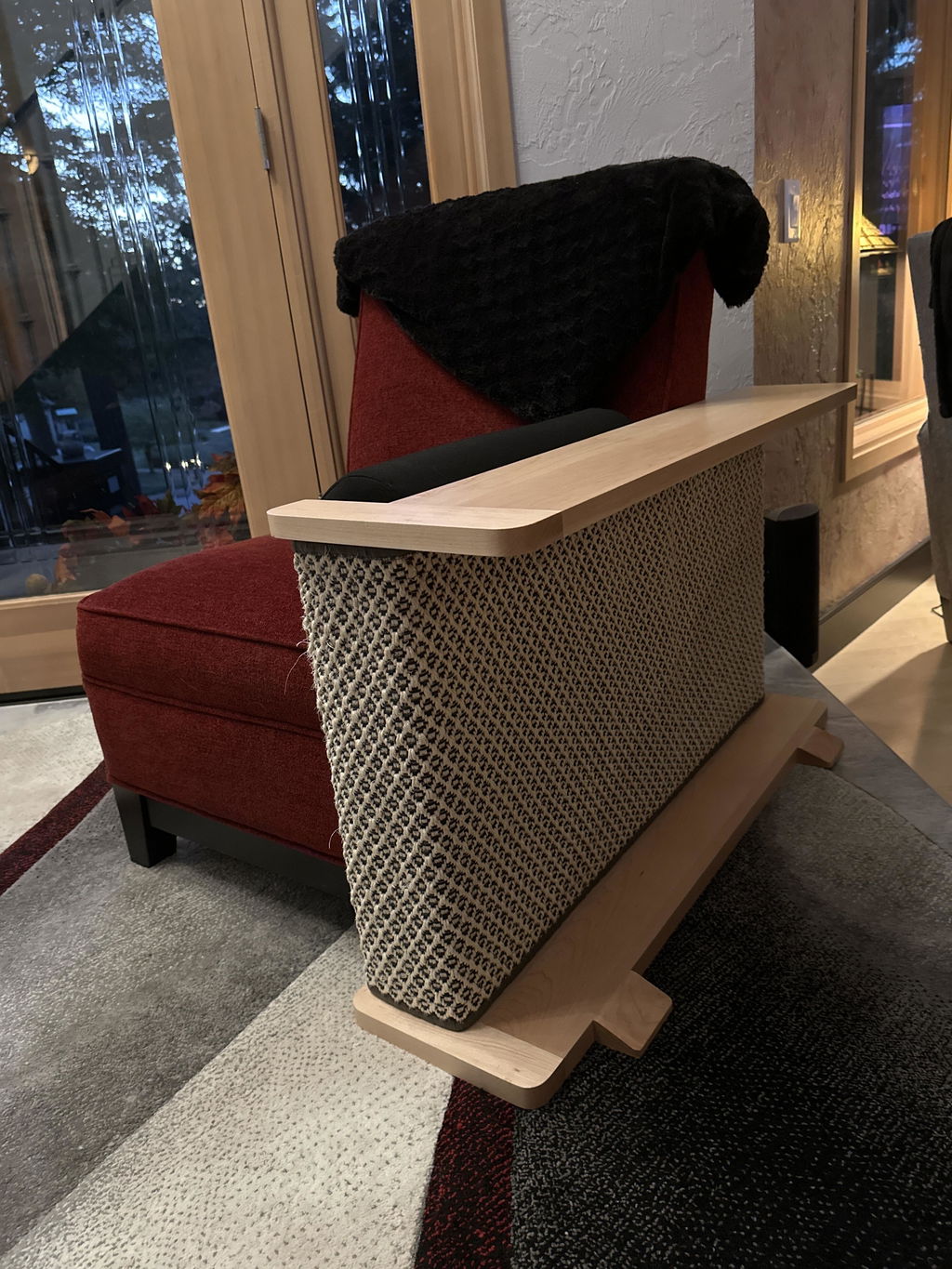
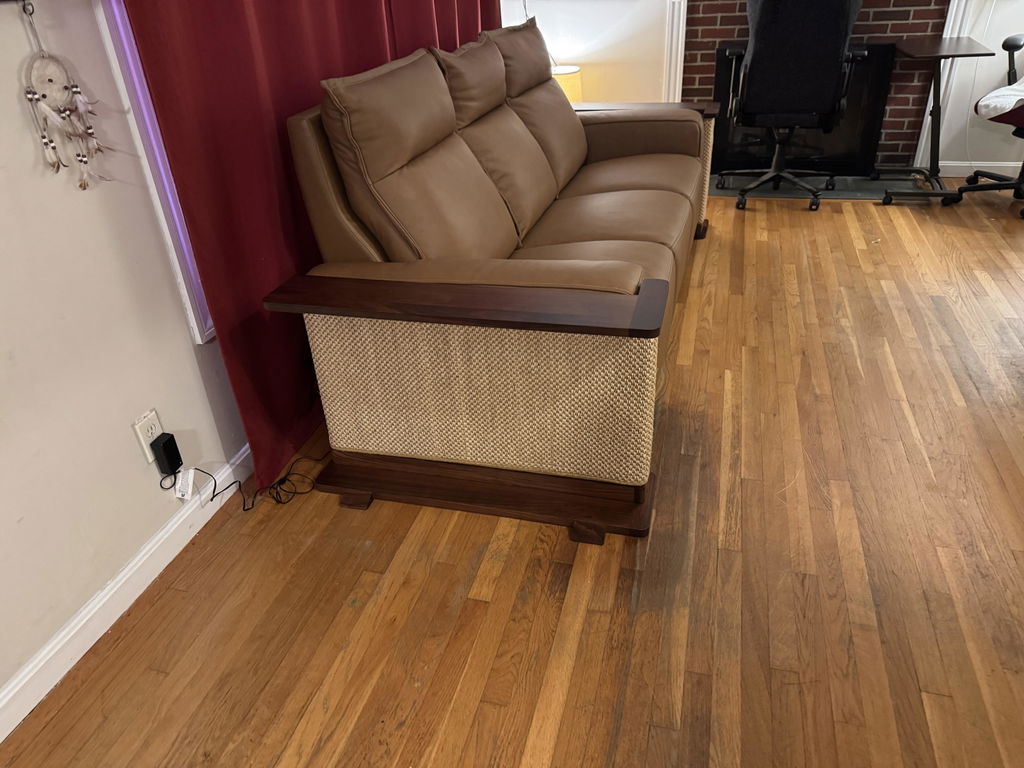
Minimalist cat products like Cat-e-Corner, which wrap around the sofa arm itself, work with your cat’s chosen location instead of trying to pull them away from it. This makes redirection feel natural rather than forced.
Learn More About the Cat-e-Corner
#2 Choose a surface that feels satisfying:
During winter, many cats prefer firmer textures that provide strong resistance. Natural sisal is especially effective because it grips claws without collapsing. A vertical sisal surface at sofa height, like the replaceable sisal mats used on Cat-e-Corner, gives cats the deep stretch and tactile feedback they instinctively seek when scratching increases in the colder months.
#3 Make scratching part of the daily routine:
Pair scratching with moments your cat already enjoys, such as after naps or before meals. Calm praise or a short play session reinforces the habit and helps scratching feel intentional rather than stress-driven.
When the scratching surface is right where everyone hangs out, like the couch corner, the habit becomes easier to maintain consistently.