Cats knead blankets for comfort and scratch them for completely different reasons, which is why one leaves your throw untouched and the other leaves it in shreds.
Some online articles treat them as the same behavior. They aren't, and telling them apart is the whole key to saving your blankets.
Kneading and Scratching Are Not the Same Thing
Kneading is the slow, rhythmic push and pull, usually with their eyes half shut and sometimes a little drool. This is your cat feeling relaxed, so the claws coming out is simply part of the movement and nothing more.
Scratching is faster, more deliberate, and often happens right before your cat settles down or just after they stand up. The claws dig in and drag, which is what actually ruins the fabric.
Watch for the rhythm and you'll know which one you're dealing with within seconds, and knowing your cat's scratching style makes the difference even clearer.
Why Do Cats Knead Blankets?
Four things drive it, and none of them are a problem.
4 reasons cats knead blankets:
- Kitten instinct: Nursing kittens knead around the mother to encourage milk flow, and that comfort stays with them for life.
- Scent marking: Paws have scent glands, so kneading a blanket quietly marks it as theirs.
- Nest building: Wild cats press down grass and leaves before lying on it, and your folded throw gets the same treatment.
- Self-soothing: Many cats knead when they're winding down or feeling a bit restless, much like a person tossing and turning to get comfortable.
Why Do Cats Scratch Blankets?
This one has nothing to do with comfort and everything to do with instinct and texture.
Cats scratch to remove dead claw layers, stretch properly, and leave visible marks. A loose-weave throw gives claws something to hook into, which makes it far more satisfying than a smooth one, and the same rule applies to furniture, since certain fabrics attract scratching more than others.
Digging at a blanket right before lying down is a little different again. That's nesting, the same instinct behind circling, and it usually stops once they've gotten comfortable.
Which Blankets Take the Most Damage
Material decides almost everything about how much mess you end up with.
5 blanket materials ranked by how well they survive cat claws:
- Chunky knits and loose weaves. The worst by far, as every loop is a handle for a claw and one snag becomes a run across the whole blanket.
- Boucle and looped textures. Same problem, and the damage shows immediately.
- Thin cotton throws. Snag easily and tear rather than stretch.
- Fleece and microfiber. The best choice, because the tight pile gives claws nothing to catch and marks rarely show.
- Wool. Holds up reasonably well, but it pills and traps fur.
If you're buying a new throw for the colder months, run your nails across it in the shop. If they catch, your cat's claws will too.
6 Easy Ways to Protect Your Throws
#1 Give them one blanket of their own:
A cheap fleece on their favorite spot absorbs almost all of this, and most cats will choose the one that already smells like them.
#2 Choose tight-weave materials:
Fleece and microfiber survive claws far better than anything knitted or looped.
#3 Keep claws trimmed:
A quick claw trim every couple of weeks saves your blankets while letting your cat knead as much as they want.
#4 Leave kneading alone:
On the right fabric, kneading is completely harmless, and stopping your cat from comforting themselves only causes stress.
#5 Offer a natural sisal scratching surface:
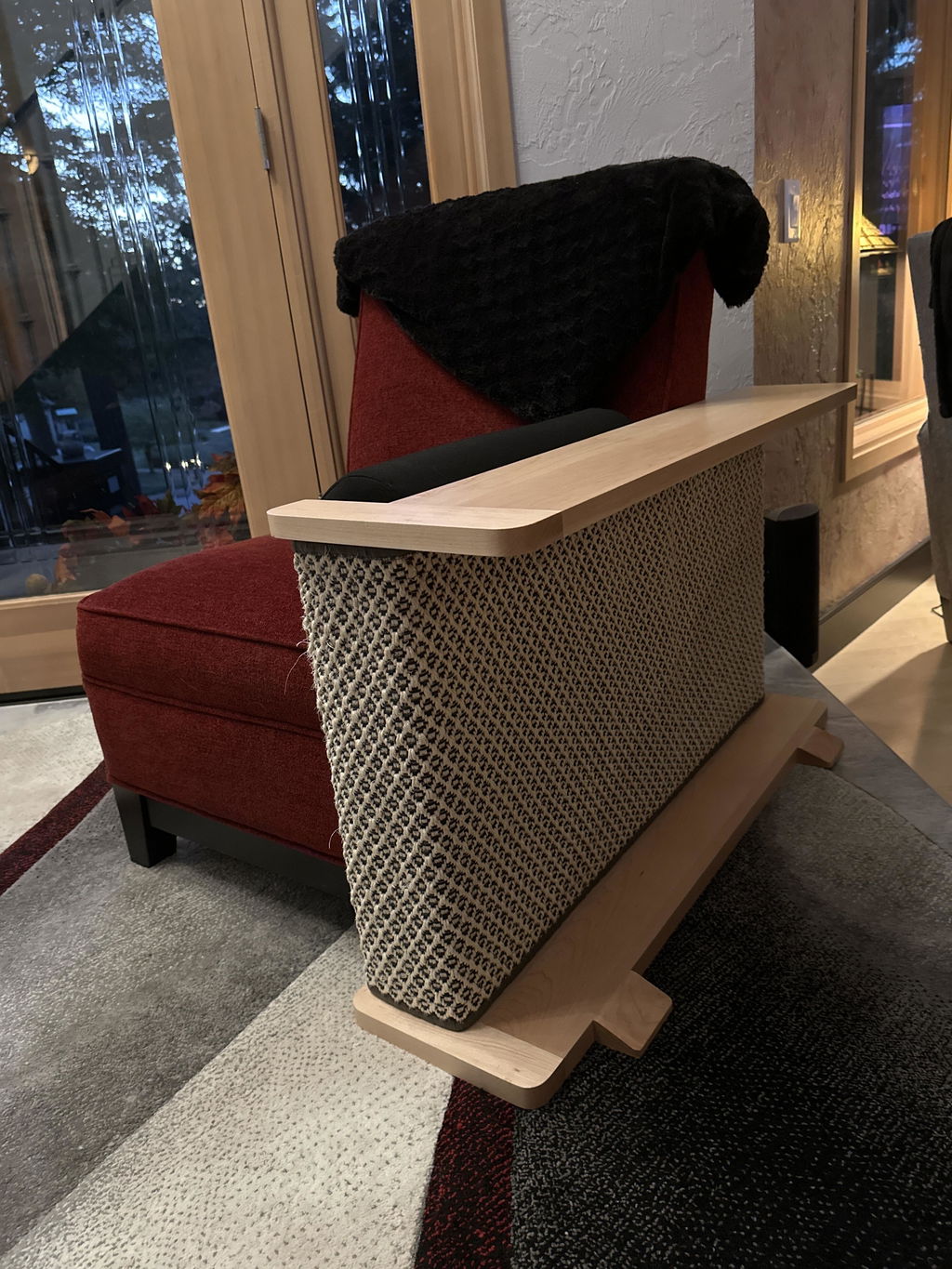
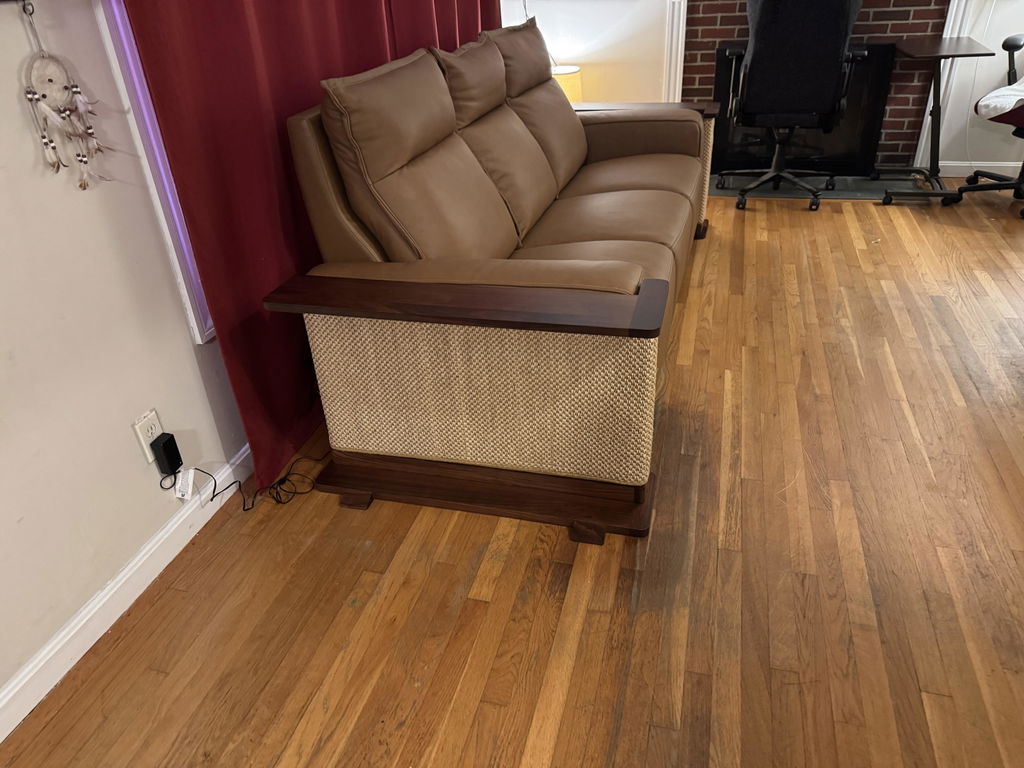
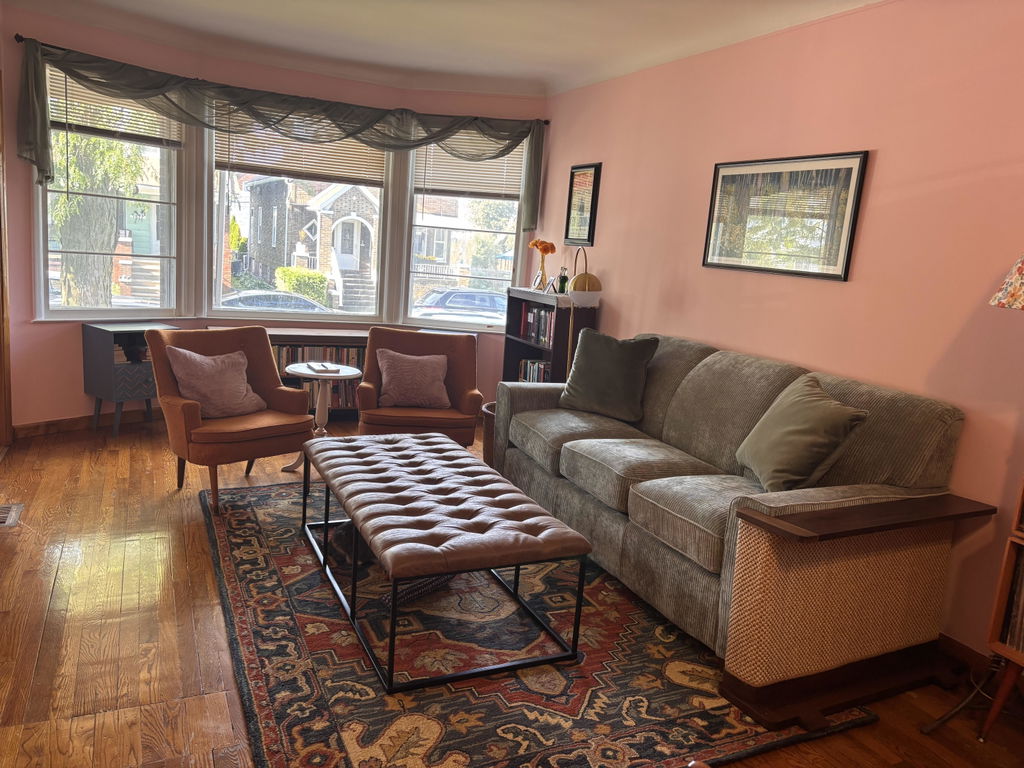
Cats who scratch blankets are often short on better options, which is usually why they bypass sisal for softer fabric. A Cat-e-Corner at the sofa corner covers the spot where most of this happens.
#6 Work out what texture they actually like:
There's a simple test that tells you whether your cat prefers coarse or soft, which makes the swap much easier.
Don't try to stop the kneading, as it's one of the clearest signs your cat is satisfied. The scratching is the part worth redirecting, so pick a tighter weave and give them something better to dig into. That's usually all it takes to keep a throw on the sofa all winter.