Cat scratching problems often feel sudden, but in many homes, they develop quietly over time. What looks like a stubborn habit is often the result of small, well-meaning choices that unintentionally guide your cat to the wrong surfaces.
Scratching itself is not the issue, because it is natural, healthy, and necessary. The real problem is where and how your cat learns to scratch.
7 Common Mistakes That Encourage Bad Cat Scratching Habits
Here are seven common ways cat owners accidentally encourage bad scratching habits, along with simple ways to fix them.
1- Reacting too strongly to scratching:
Many cats learn faster from our reactions than from training tools. Yelling, clapping, or rushing to your cat when they scratch furniture can actually reinforce the behavior. To a cat, any reaction can feel like attention, even negative attention.
Instead of correcting in the moment, focus on quiet redirection. Gently guide your cat to an approved scratching surface nearby, then reward them when they use it. Over time, calm consistency teaches better habits than sudden reactions ever will.
2- Placing scratchers in the wrong location:
One of the most common mistakes is placing scratching posts purely for aesthetic reasons rather than where cats need them. Cats often scratch near sleeping areas, entrances, or favorite lounging spots because those areas feel important to them.
If a scratching post is tucked away in a corner or hidden room, your cat is far more likely to choose the couch instead. Placing scratchers directly next to problem areas helps your cat connect the urge to scratch with an acceptable option that is already within reach.
3- Offering only one type of scratcher:
Cats do not all scratch the same way! Some prefer tall vertical stretches, while others favor horizontal surfaces or angled positions. When only one scratching style is available, cats often search for multiple alternatives around the house.
Furniture, rugs, and door frames become substitutes simply because they offer variety. Providing different angles and textures helps prevent this trial-and-error behavior and gives your cat safe options that still satisfy their instincts.
4- Using scratching surfaces that feel like furniture:
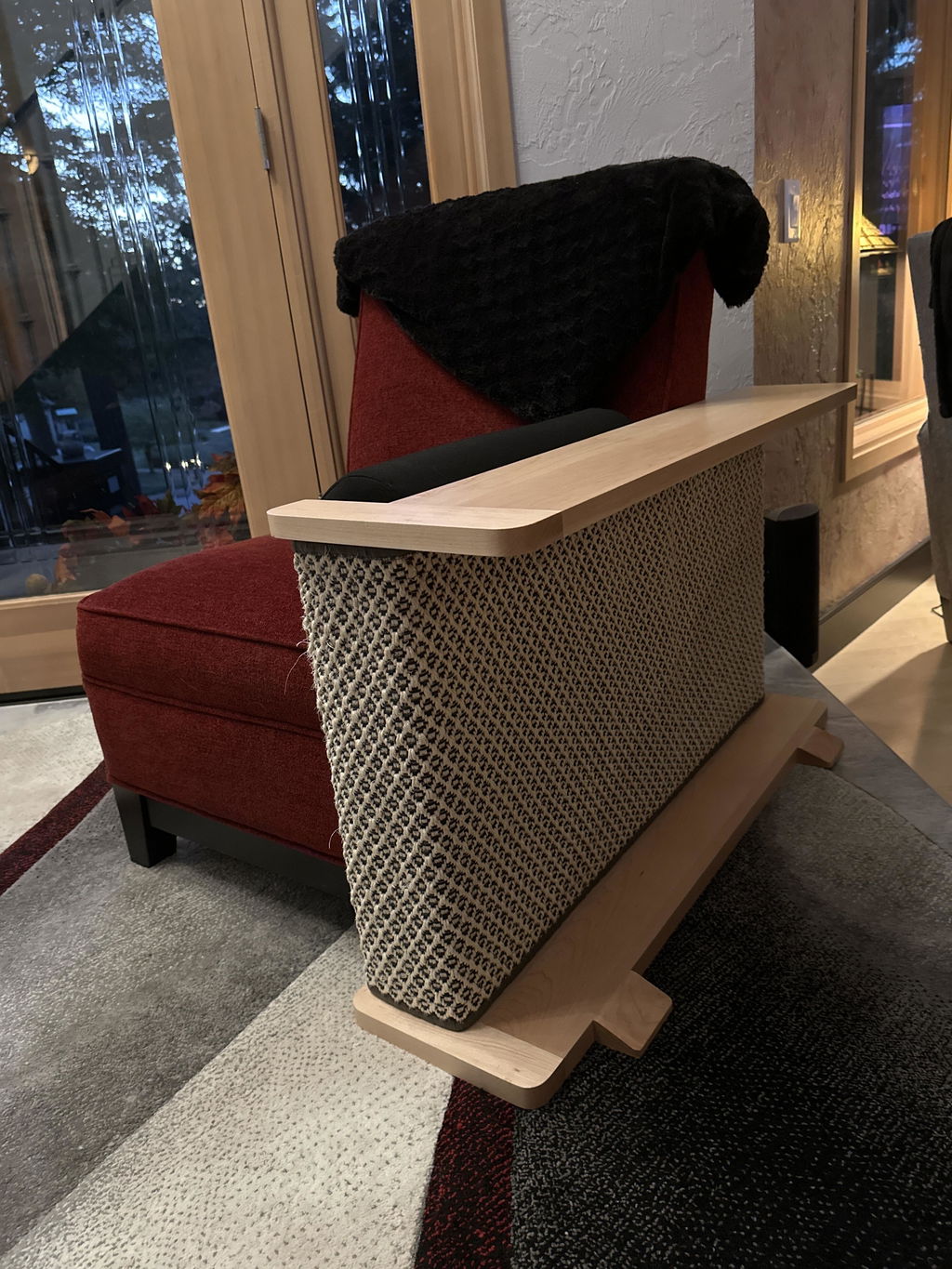
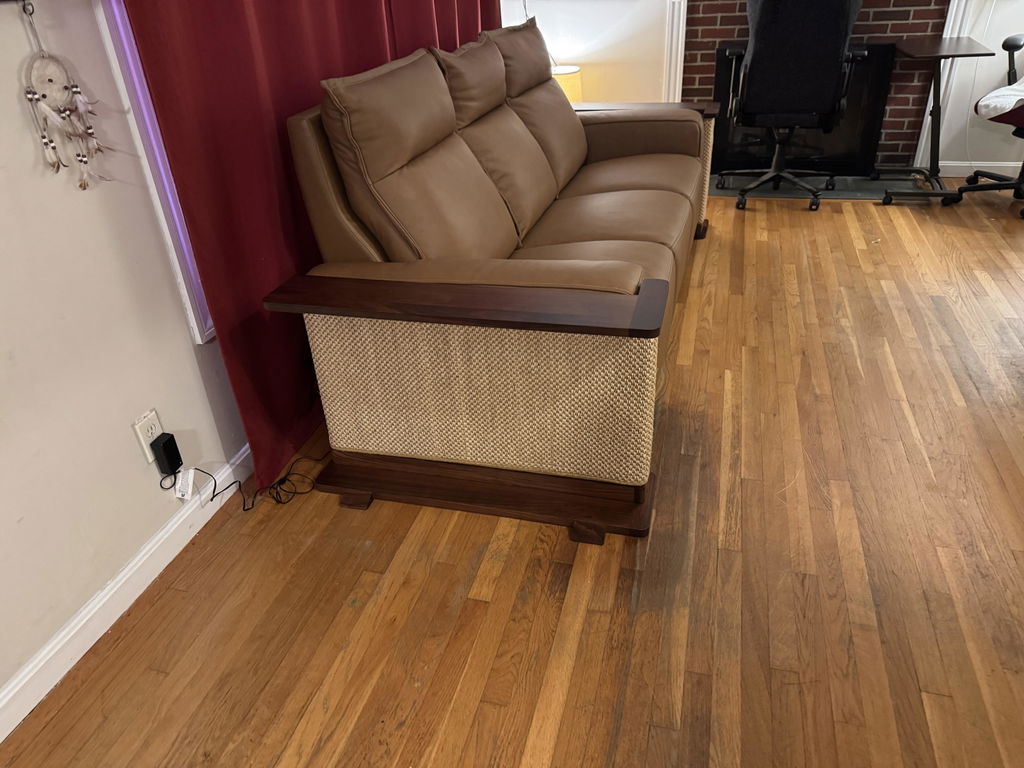
Scratchers covered in carpet that closely matches your flooring or sofa fabric can confuse your cat. From their perspective, if one carpeted surface is allowed, then others must be fair game too.
Choosing materials that clearly feel different from household furniture, such as sisal or natural woven fibers, helps your cat understand which surfaces are meant for scratching and which are not.
5- Inconsistent rewards & training:
Cats learn through repetition and timing. If scratching the couch sometimes results in redirection and other times goes unnoticed, the behavior becomes harder to change. Mixed signals slow learning and encourage experimentation.
Rewarding your cat immediately when they use the correct scratching surface builds a clear association. Even a few seconds of delay can weaken the lesson, so consistency matters more than intensity.
For more tips, we have a whole article where you can learn how to redirect natural scratching instincts with the right rewards, here.
6- Ignoring emotional triggers:
Scratching often increases during periods of stress or change, meaning that rearranging furniture, new pets, guests, or routine shifts can all cause a temporary spike in the behavior. When this happens, cats are not being defiant, they are trying to regain control of their environment.
Adding extra scratching options during stressful periods helps your cat cope without turning to furniture. This approach prevents new habits from forming during times of emotional imbalance.
7- Expecting scratching to stop completely:
Scratching cannot and should not be eliminated, so when owners expect it to disappear, frustration builds, and training often becomes reactive instead of proactive.
The goal is not to stop scratching, but to redirect it. When your cat has reliable, appealing scratching surfaces placed in the right locations, destructive scratching fades naturally without force or punishment.
5 Ways to Encourage Better Scratching Habits
- Place scratchers near areas your cat already targets
- Offer multiple textures and angles throughout the home
- Keep approved scratching surfaces stable and easy to access
- Reward correct scratching immediately and consistently
- Adjust scratching options during times of stress or routine changes
Remember, small changes in setup and response can completely shift scratching behavior over time.