Moving is stressful for you, but at least you know why it's happening. Your cat doesn't. One day the home they knew inch by inch went into boxes, and the next they woke up somewhere that smells like strangers. That confusion usually shows up in their claws.
Why Do Cats Scratch More After a Move?
Cats have scent glands in their paws, so every scratch leaves behind both a visible mark and a personal smell that says the space belongs to them. A new home has none of that, since every wall, corner, and piece of furniture smells like someone else.
Your cat's response is to get to work. Scratching is one of the fastest ways they can claim unfamiliar territory, so the surge you're seeing is your cat crafting a scent map from scratch. It looks like bad behavior, but it's really a stressed cat trying to feel safe.
5 Easy Ways to Keep Scratching Under Control After a Move
1- Unpack their things first:
Set up the bed, litter box, bowls, blanket, and favorite scratching post before anything else, because these hold familiar smells that help the room feel like theirs.
2- Skip the deep clean:
Hold off on washing their bedding for a couple of days or weeks, because those old scents are doing important work right now.
3- Start them in one room:
Give your cat a single quiet room to get comfortable, then open up the rest of the house gradually over several days.
4- Put a cat scratcher where they're already scratching:
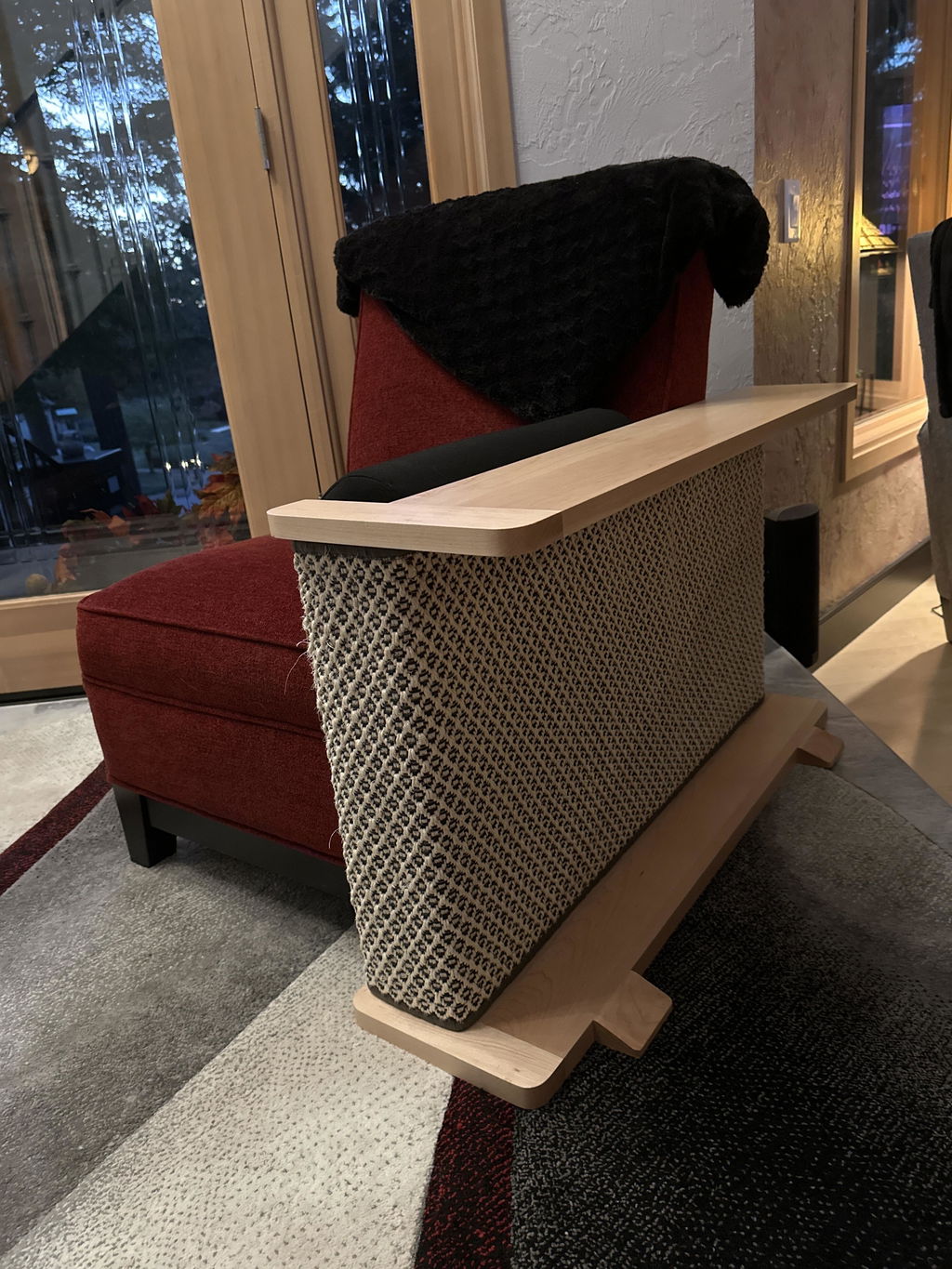
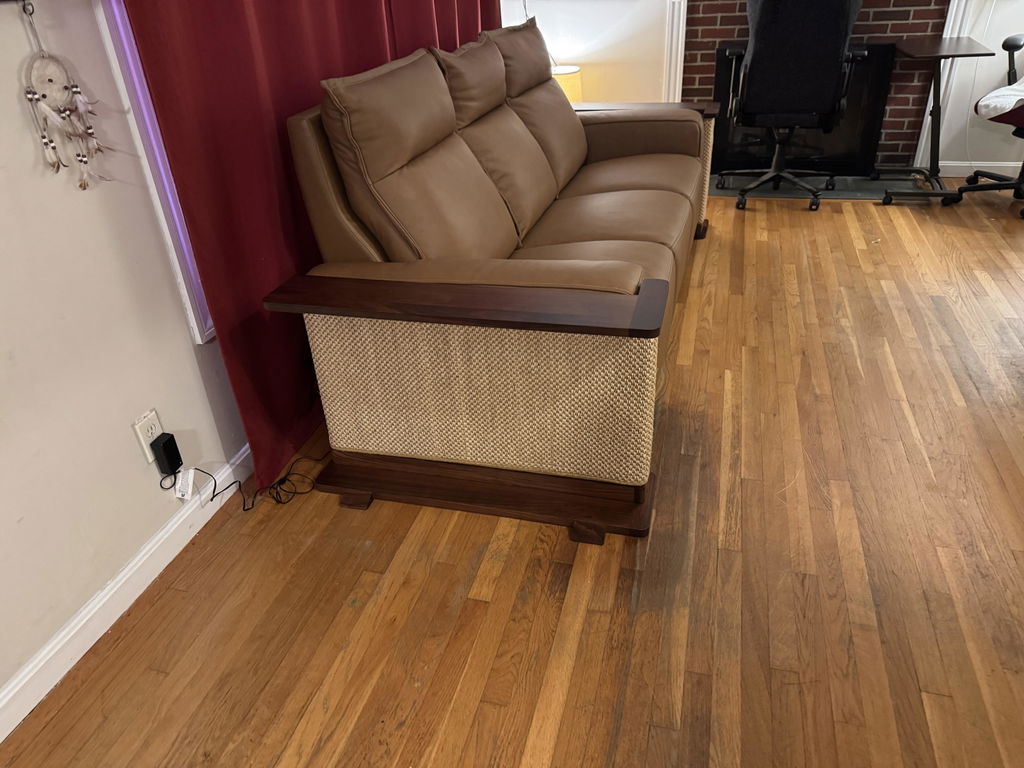
Watch which corner they target and place a proper scratching surface right there. A Cat-e-Corner at the sofa corner works well, since corners are usually the first spot a cat claims.
5- Keep the routine steady:
Feed and play at the same times you always have, as familiar rhythms help your cat relax faster than anything else in the house.
How Long Does It Take a Cat to Feel at Home?
Most cats need two to four weeks to get comfortable, though confident cats can bounce back in a matter of days. You should notice the scratching easing off as they finish marking the important spots and start relaxing into their new routine.
If the scratching is still intense after a month, or if it comes with hiding, litter box messes, or a real drop in appetite, we'd recommend reaching out to your vet to see what they think. Those signs point to stress that needs more than time.
In most cases, time is the real fixer. Surround them with things that smell like home, keep their day-to-day life predictable, and give them a natural surface to scratch. Before you know it, they’ll be running the place as if they’ve always lived there.
4 Signs Your Cat Is Settling Into the New Home
Progress is easy to miss when you're busy unpacking, so here's what to watch for.
1- They eat and drink normally again:
Appetite is usually the first thing to go and the first thing to recover, so a cat finishing meals at their usual pace is a strong sign the stress is lifting.
2- They sleep out in the open:
If your cat is hiding under the bed, it means they’re still keeping a close eye on everything. Once they stretch out in the middle of the room or claim a sunny spot by the window, they're telling you the space feels safe.
3- The scratching moves to the scratcher:
When your cat starts choosing their own scratching surface over the wooden furniture legs, the important favorite areas have been marked, and the urgency is gone.
4- They start following you around again:
Curiosity coming back is a great sign. A cat who trails you from room to room, sits with you in the evening, or greets you at the door has decided this place is theirs.