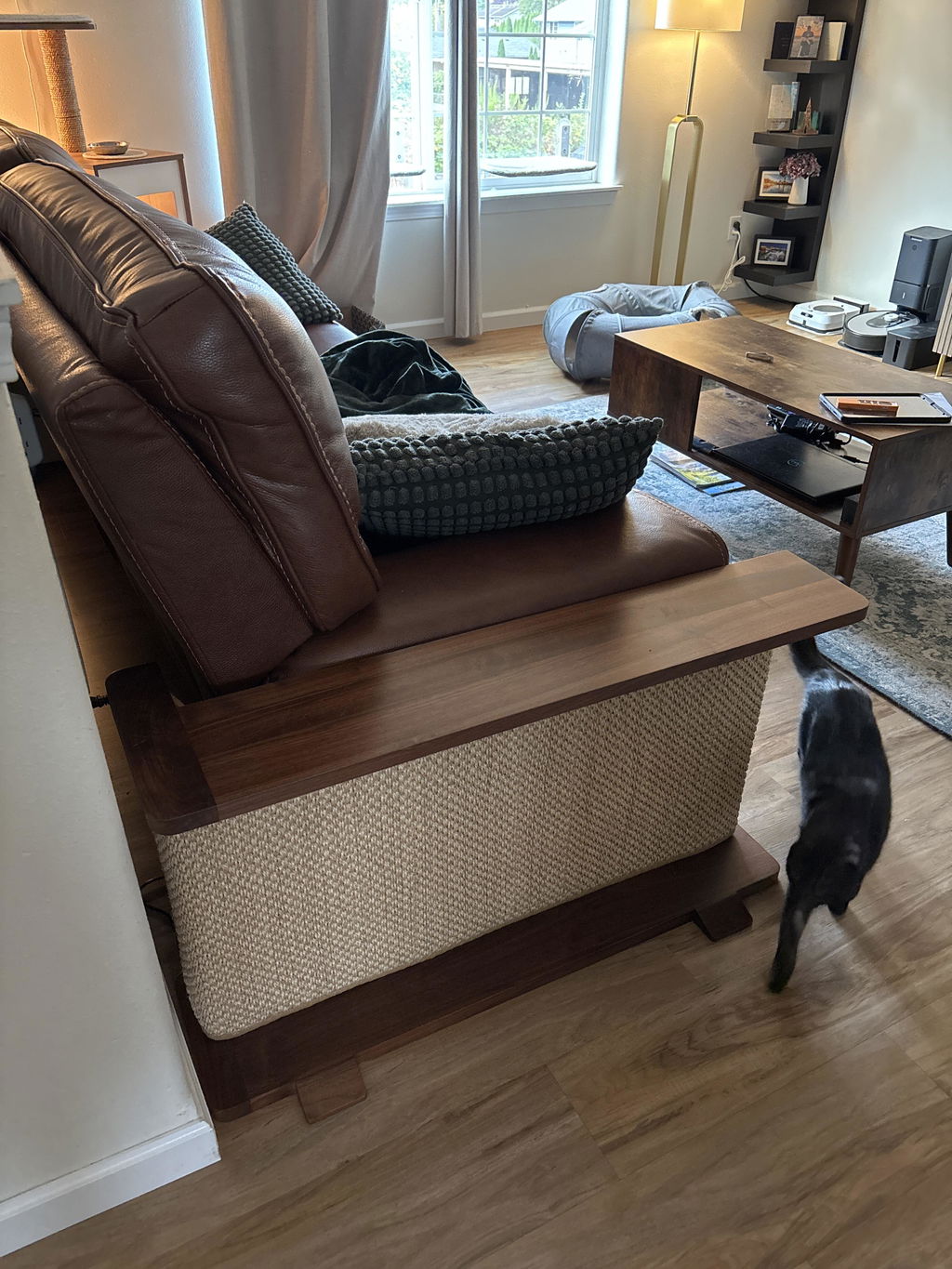
Ever notice how the fur situation gets out of hand around September? One week your cat seems fine, and the next there's hair on the sofa, the bed, and every dark jumper you own, right as the weather starts cooling down.
What Actually Triggers Fall Shedding in Cats?
It isn't the cold. Cats grow and drop their coats according to how much daylight reaches them, which is why the shedding starts weeks before you ever reach for a jumper.
The summer coat is thin and light, which keeps your cat cool, while the winter one is dense enough to hold heat through the worst months. Your cat can't carry both at once, so the old one has to clear out first.
That's what you're vacuuming up in September. The light began fading back in August, and your cat's body started preparing for winter long before the weather caught up. It's also the month your sofa takes the worst of it, since some fabrics hold onto fur far more stubbornly than others.
Why Do Indoor Cats Shed All Year Instead of Seasonally?
If your indoor cat sheds constantly rather than in seasonal bursts, artificial light is usually behind it.
3 things that keep indoor cats shedding year-round:
- Artificial light blurs the signal. Lamps, screens, and overhead lighting keep evenings bright, so the body never gets a clear cue that the days are shortening.
- Steady indoor temperature removes the backup cue. Central heating and air conditioning mean the coat gets no seasonal reinforcement from the weather either.
- Limited natural light exposure. A cat who rarely sits by a window misses the daylight shift almost entirely, which flattens the shedding cycle into a low-level shed twelve months a year.
Cats with garden access or a favorite sunny windowsill usually have much sharper seasons, which is why one cat in the same home can shed all October heavily while another hardly changes at all.
How Long Does Fall Shedding Last?
Usually somewhere between two and four weeks, though it varies with breed and coat type.
Long-haired cats like Maine Coons and Persians take longer and make more mess, while short-haired cats often get through it quickly enough that you barely notice beyond the extra vacuuming. Senior cats sometimes shed less dramatically, since their coats thin out naturally with age.
5 Best Tips to Manage Shedding Season and Save Your Furniture
You can't stop the shedding, so the goal is catching the fur before it lands on everything you own. These five habits make the next few weeks a lot less hairy.
- Brush daily during peak shedding weeks: every hair you catch in the brush is one less hair on your furniture.
- Use the right tool: a slicker brush suits short coats, while long-haired cats need a wide-tooth comb first to get through the undercoat.
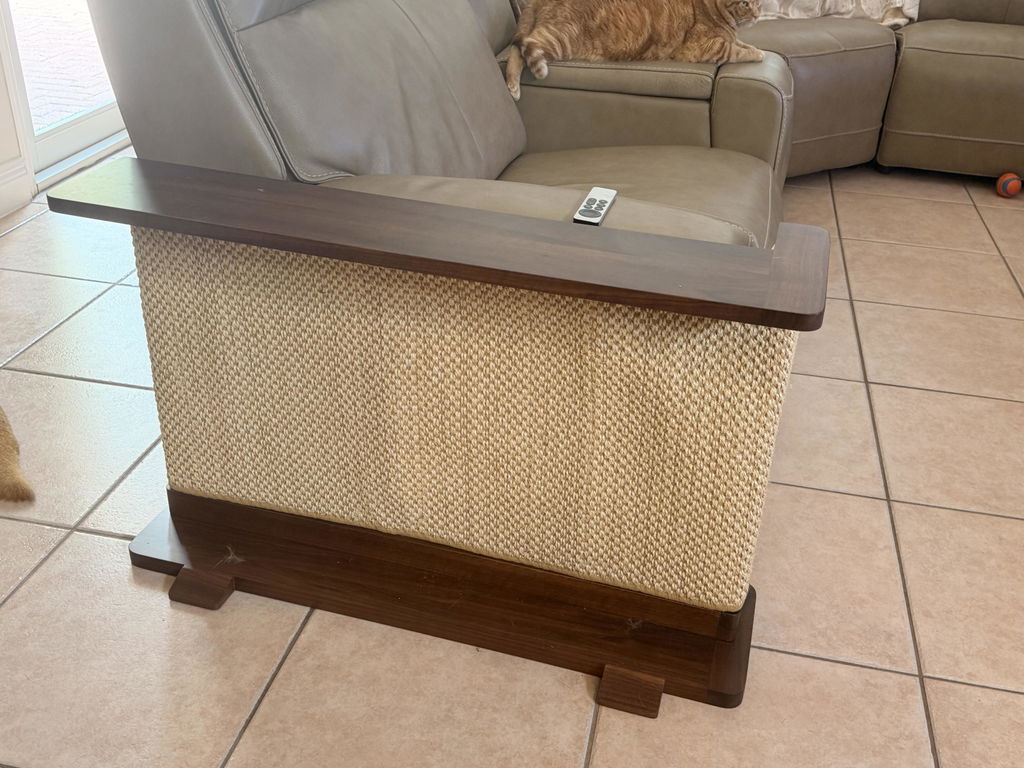
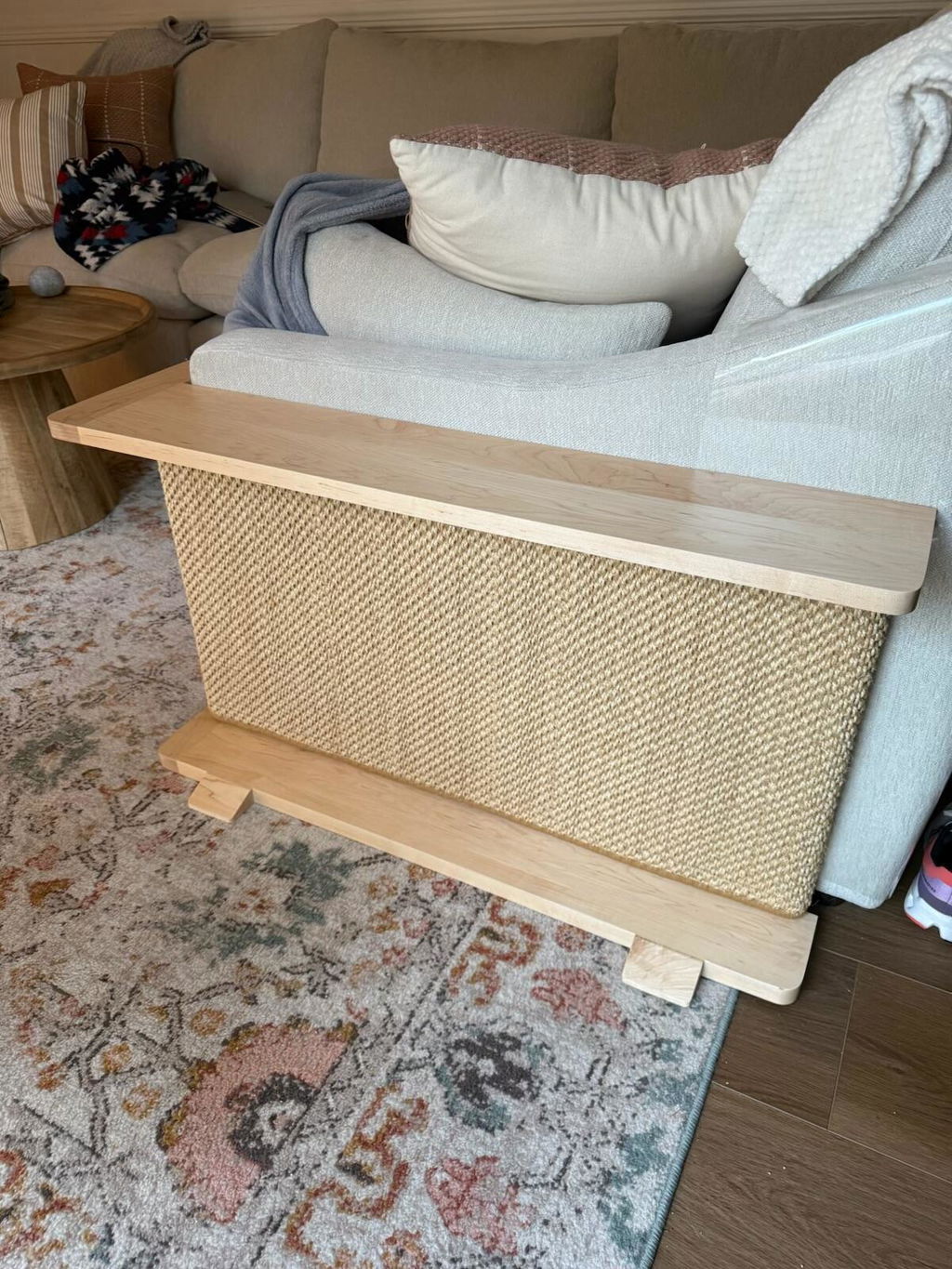
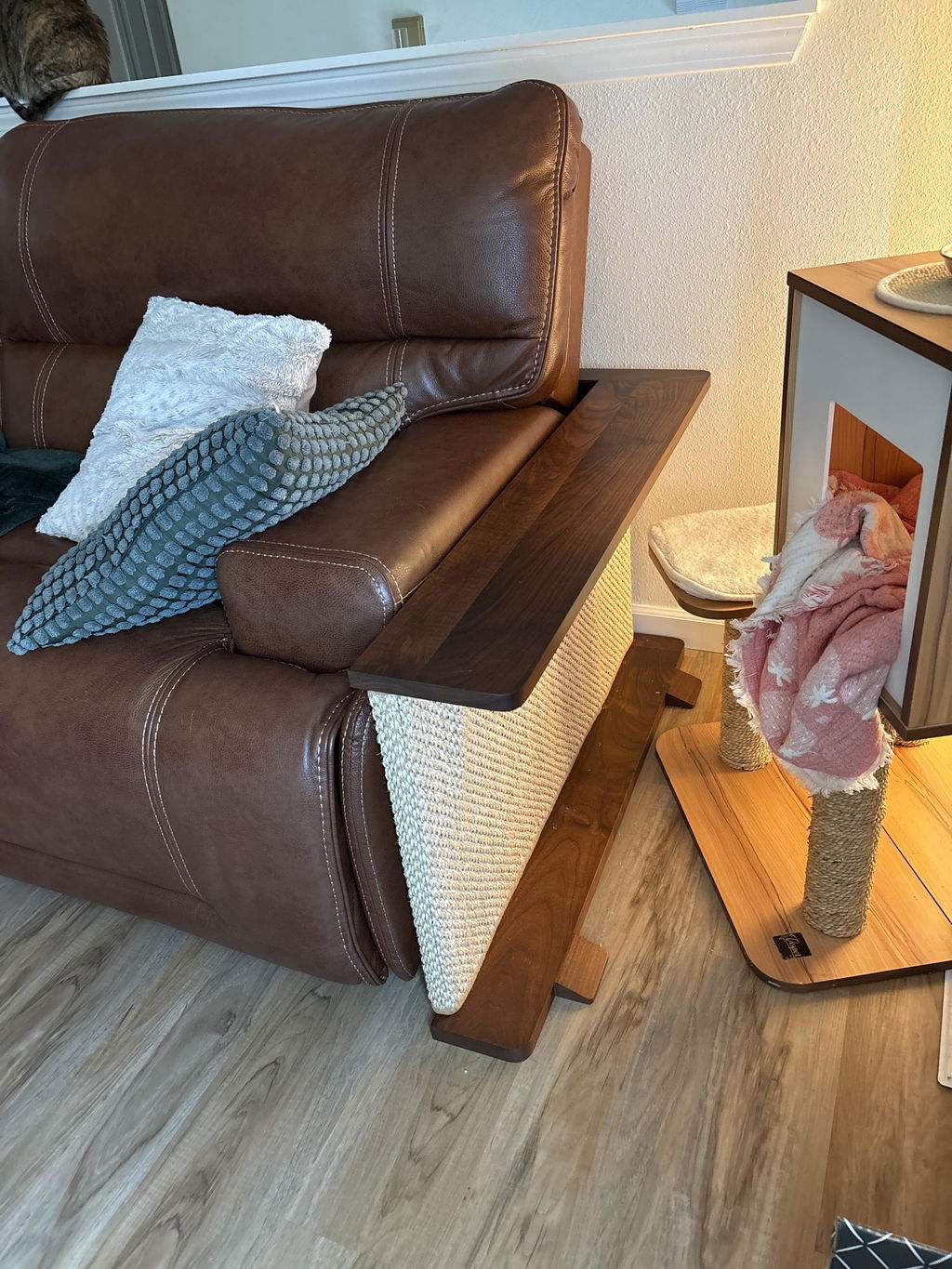
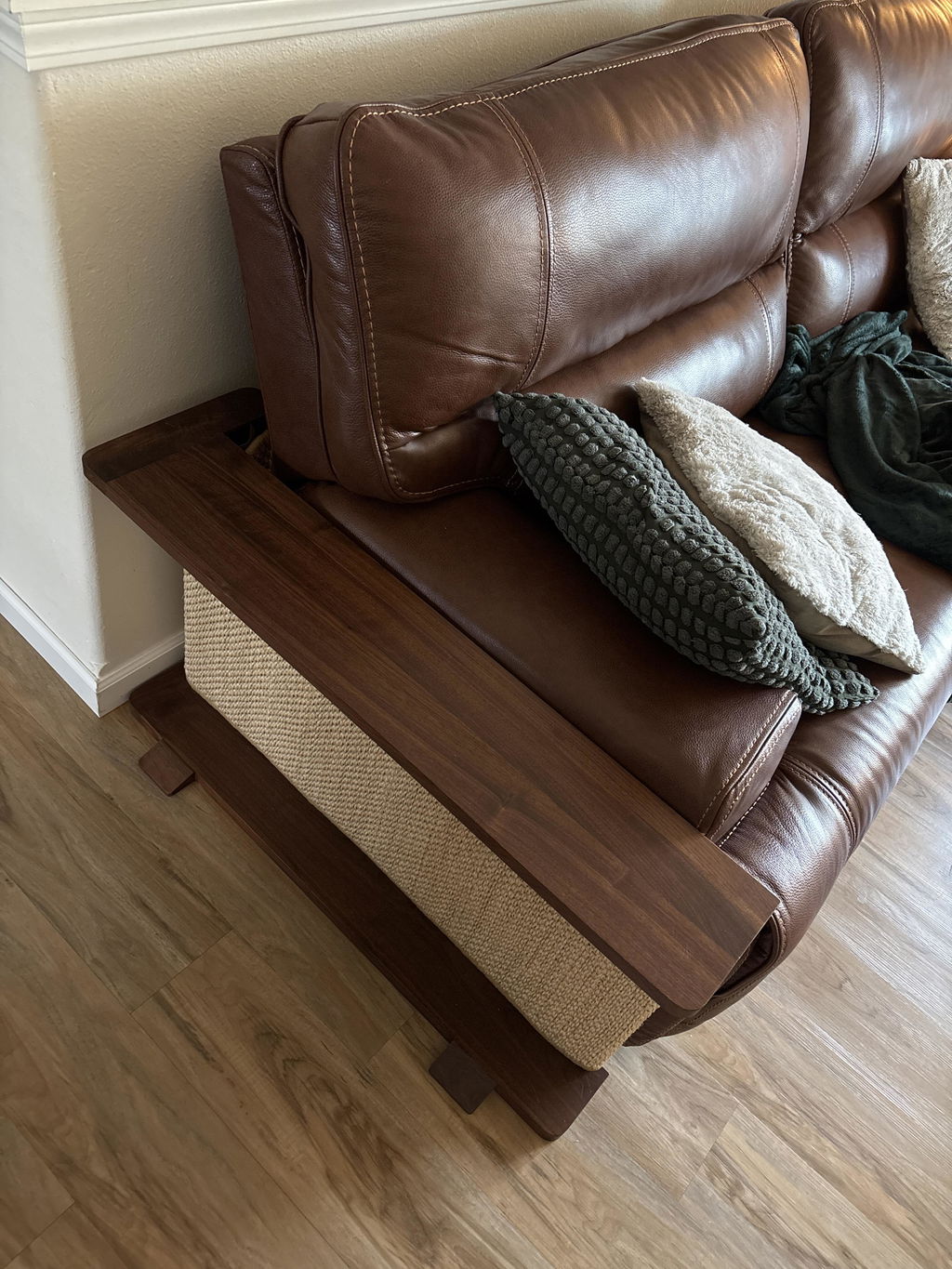
- Clean fabric surfaces regularly: fur works its way deep into woven textures, so a weekly vacuum keeps it manageable, and sisal in particular needs a specific approach to stay in good shape.
- Keep water available and interesting: hydration affects skin and coat condition more than most owners realize, so a fountain often helps cats who ignore their bowl.
- Check the food: protein and omega fatty acids are essential for a healthy coat, so a poor diet shows up in the fur before anywhere else.
Shedding season is also a good moment to check the rest of your cat's grooming routine. Paws and claws often get overlooked while everyone focuses on fur, and staying on top of claw trimming makes the whole thing easier.
When Shedding Is Worth a Vet Visit
Seasonal shedding is even across the body and leaves the coat looking normal, just thinner. What isn't normal is anything patchy or uneven.
Bald spots, red or flaky skin, constant scratching, or hair coming out in clumps all point to something beyond the season. Allergies, parasites, stress, and thyroid problems can all show up this way, and seasonal allergies in particular are easy to mistake for a heavy shed.
If your cat won’t stop licking one specific area, check in with your vet. Overgrooming is often a sign of stress or behavior issues, not just the change of seasons.
Final Thoughts,
Fall shedding looks worse than it is, and it's honestly one of the most predictable things your cat will do all year. The days get shorter, the old coat comes out, and a few weeks later you've got a cat ready for winter.
Brush more, vacuum often, and keep an eye out for anything patchy. Beyond that, it's just something to ride out until the new coat settles in.