Did your cat develop new scratching habits over the winter? You might have noticed the sofa arm becoming a favorite spot, the carpet corner getting ruined, and the scratching post being ignored for months.
Winter changes a cat's behavior more than most cat owners realize, so you should pay attention to how they move less and to them staying indoors. They build new routines around warmth and comfort that often feel permanent by the time spring arrives.
Why Winter Changes Scratching Behavior
During colder months, cats often:
- Sleep more
- Move less
- Stay close to heat sources
- Spend more time near furniture
Scratching is about location as much as surface. If their cat scratcher was far from their winter resting area, they likely chose something closer and more convenient. This kind of repetition creates a permanent preference over time.
6 Steps to Reset Your Cat’s Scratching Habits & Save Your Furniture
Step 1 | Observe before you correct:
Pay attention to your cat’s behavior before moving anything, because understanding why they scratch makes it much easier to redirect them.
Ask yourself:
- Where is your cat scratching now?
- Is it near a sleeping area?
- Is it close to a window?
- Is it near where the family spends the most time?
Top 3 reasons why cats usually scratch:
- After waking up
- During bursts of energy
- When marking territory
Step 2 | Reset the environment, not the cat:
Never punish your cat for scratching because it damages their trust and increases anxiety. Try positive redirection instead:
- Place a scratching post directly next to the damaged area
- Match the angle (vertical for sofa arms, angled if scratching lower areas)
- Make it the easiest option
Convenience always wins, so if your cat scratches the right side of the couch, place the new scratcher in that exact spot instead of across the room.
Step 3 | Refresh or replace old scratchers:
Since many scratching posts are worn down after winter, cats will often abandon them if they feel wobbly or flat. It is important to understand these common cat scratching preferences when choosing a replacement:
- Rough texture
- Stable base
- Tall enough height for full stretch
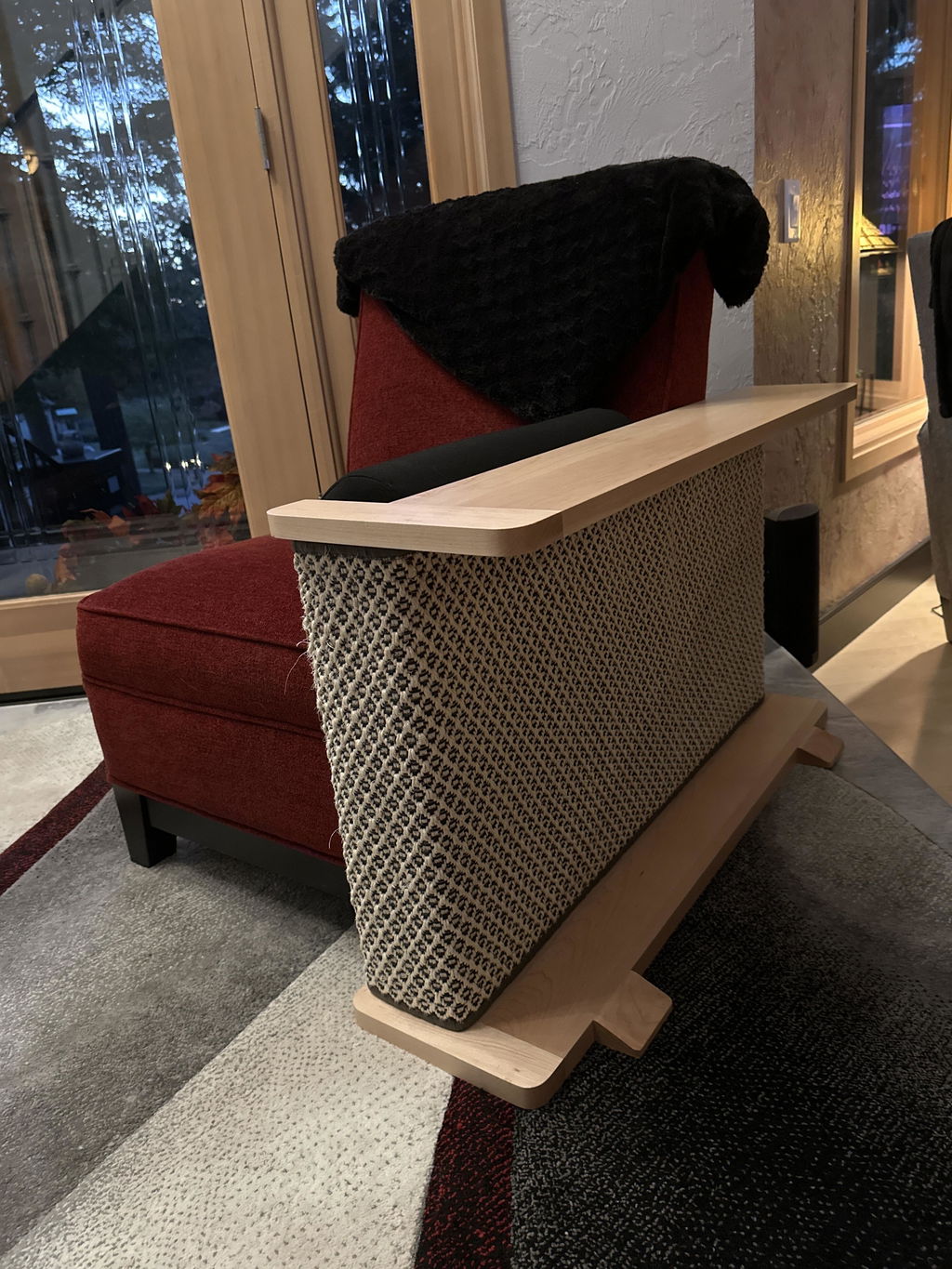
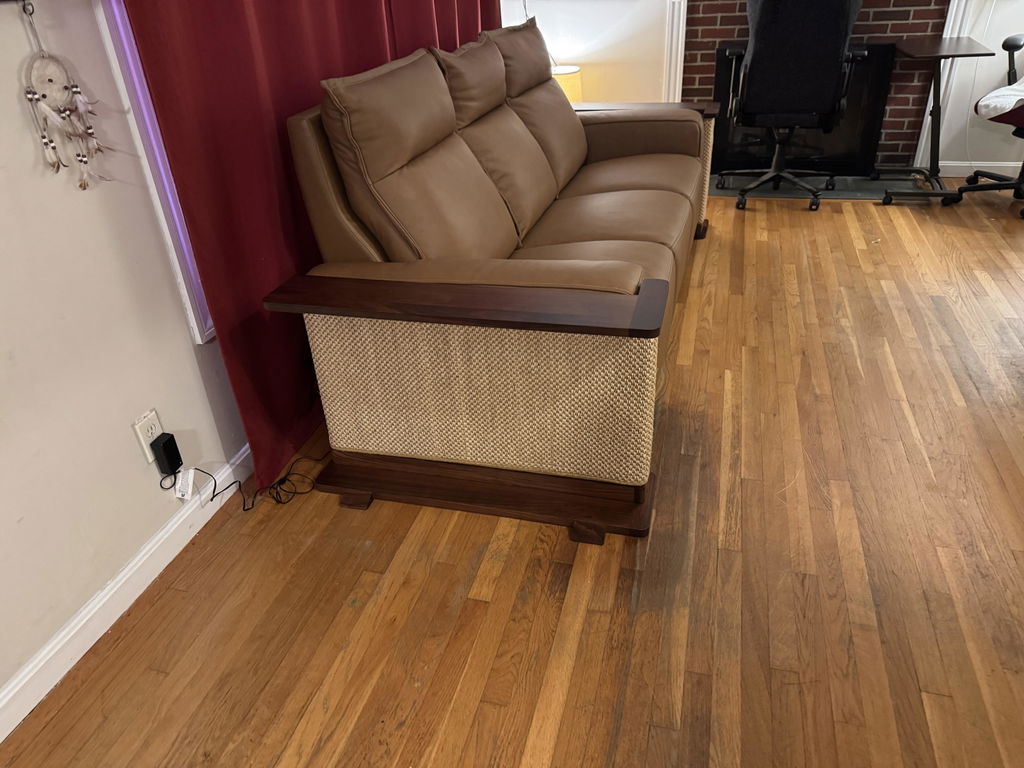
This is exactly where the Cat-e-Corner approach makes a difference! Instead of adding multiple scratchers around the house and hoping one works, the focus is on placing the right scratching surface in the right location, where your cat already feels the urge to scratch. When the surface matches their natural stretch, and the placement supports their routine, redirection becomes much easier and more consistent.
Step 4 | Use spring energy to your advantage:
Increased daylight gives cats more energy to move around, which naturally causes more stretching and territory marking. This boost in movement usually means you will see much more scratching as well.
3 ways to redirect that energy early in the season:
- Short play sessions before meals
- Encouraging scratching after naps
-
Redirecting your cat to the right scratching surface
Reward your cat with praise or a small healthy treat whenever they use the right scratching surface because consistency is the best way to build new patterns.
Step 5 | Make old targets less attractive:
While building the new habit, cover damaged areas and block access whenever possible, and keep the new cat scratcher highly visible. It is important not to hide the scratcher because letting it become a natural part of the room’s layout helps your cat choose it over the furniture.
Step 6 | Give it time:
Behavior resets don’t happen overnight, and consistency is the most important part of the process. Moving the cat scratcher around too often can cause the reset to fail, but most cats will typically adjust within:
- 7–14 days for mild habit changes
- 3–4 weeks for stronger habits
5 Common Mistakes to Avoid
- Moving the cat scratcher away from the problem area
- Buying small, unstable scratching posts
- Punishing scratching
- Expecting immediate results
-
Ignoring texture preference
If your cat likes the resistance of fabric, choose natural sisal, but if they prefer the feel of carpet, try to match that texture as closely as possible.
FAQ about Resetting Your Cat’s Scratching Habits
Q. How long does it take to reset scratching habits?
A. Most cats need one to three weeks. Strong habits may take longer, especially if the old spot was used daily for months.
Q. Should I throw away the old scratching post?
A. Unless the post is unstable or totally destroyed, it is often better to keep it because the visible wear has a familiar scent that encourages your cat to keep scratching there.
Q. Why does my cat scratch more in spring?
A. Because more daylight boosts a cat's energy, they naturally start stretching and marking their territory more often.
Q. What if my cat ignores the new cat scratcher?
A. Move it directly next to the current scratching area. Placement solves most issues.
Q. Is scratching a behavioral problem?
A. Scratching is a natural and necessary behavior for cats, so the goal should always be redirection rather than trying to eliminate it.