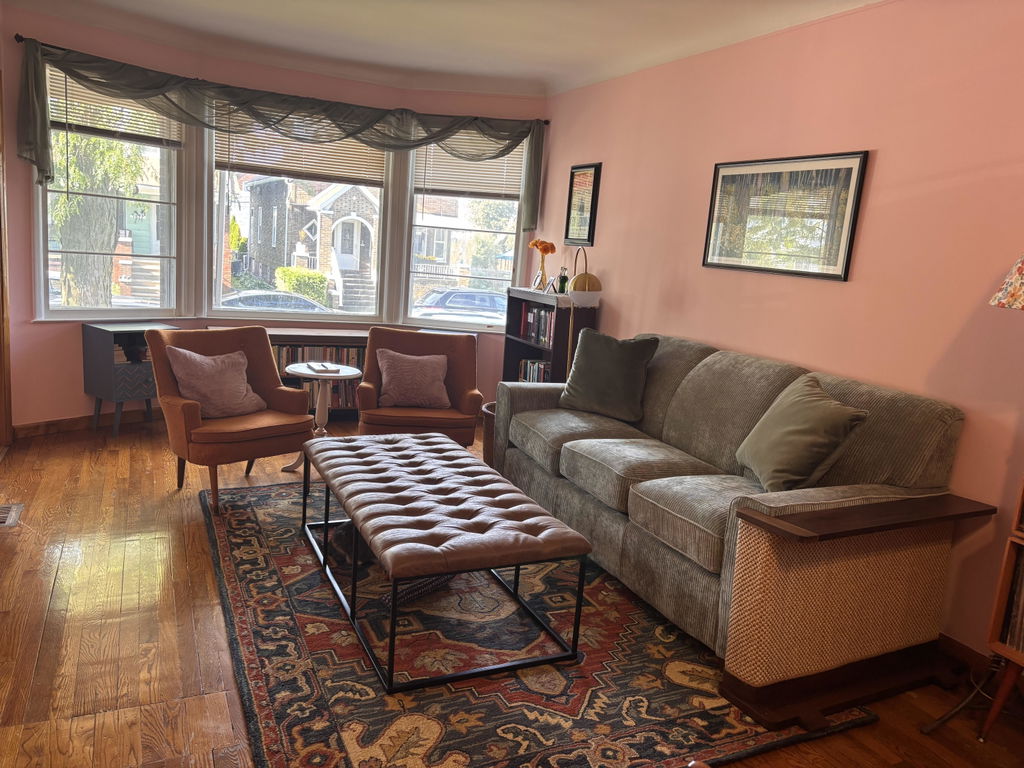
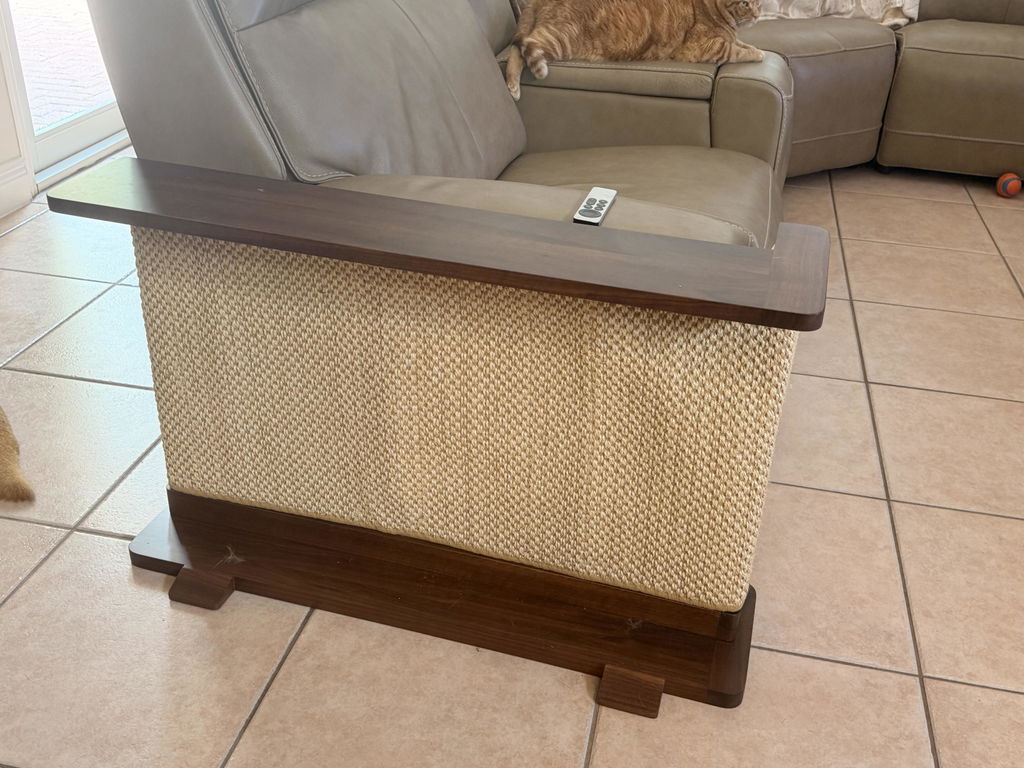
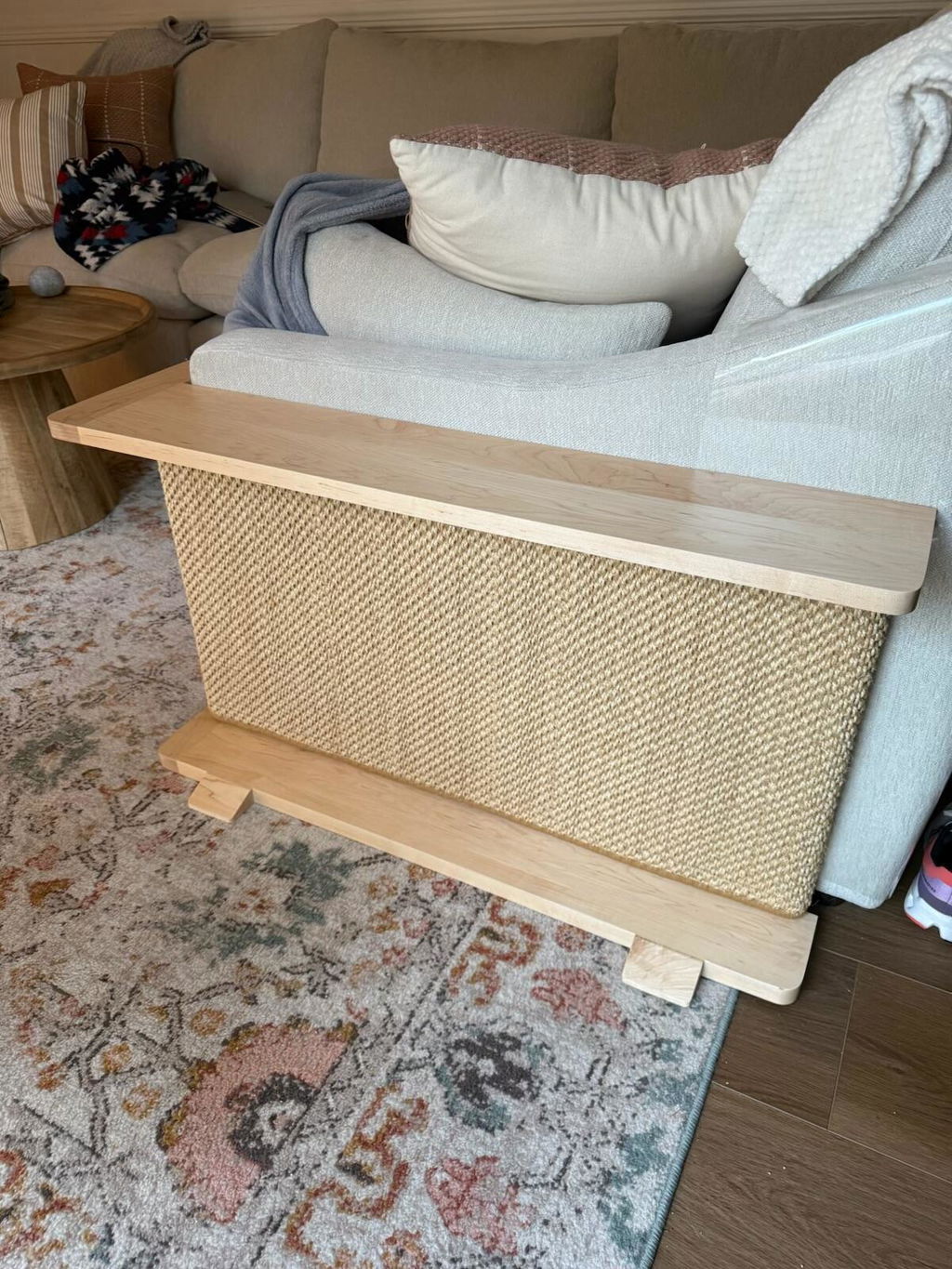
Bring home a second cat, and you start noticing things you never thought about with one. Who eats first, who gets the sunny windowsill, and whether that sisal cat scratcher you bought is being used by both of them or quietly claimed by one.
Yes, cats share scratching posts, and how they do it says a lot about how they get along.
What Scratching Actually Means Between Cats
Scratching does far more than keep claws healthy, as the glands in your cat's paws leave behind a scent every time they dig in, along with marks the other cats can clearly see.
3 things a scratch tells another cat:
- “I was here”. The visible marks act as a clear signal that another cat has claimed this spot recently.
- “This is my scent”. Paw glands leave a personal smell that lingers long after the scratching stops.
- “This area is worth marking”. Cats scratch where it matters most, so the spot itself becomes a statement.
That turns a scratching post into a message board instead of a shared toy. Two cats using the same post are taking turns leaving notes for each other, which works fine in a calm home, but it goes wrong the moment one cat decides that message board belongs to them alone.
4 Signs Your Cats Aren't Sharing Well
Cats rarely fight over a scratching post openly, so the signs are easy to miss. Here's what tension usually looks like in practice.
#1 One cat waits nearby:
If one cat hangs back and only comes over after the other cat leaves, they are being blocked rather than being polite.
#2 Scratching moves back to the furniture:
A cat pushed off the scratcher will find the next best vertical surface, which is almost always your sofa arm.
#3 Hissing or swatting near the scratching post:
Tension around a specific object is a strong sign the more confident cat has claimed it.
#4 One cat scratches far more than the other:
Big differences in use often mean access is the problem rather than preference.
How Many Scratching Posts Do You Actually Need?
The rule most behaviorists use for shared resources is one per cat, plus one spare. So two cats want three scratching posts, and three cats want four.
That sounds like a lot of cat furniture until you spread them out properly. Put them in different rooms or at opposite ends of the same room, because two scratchers side by side count as one territory in your cat's mind. Spacing them out gives a nervous cat somewhere to go when the confident one takes over a spot.
Remember that placement matters more than quantity. Because cats naturally want to mark corners, doorways, and sofa edges, these are the areas where scratching posts are most useful. It also helps to know which couch fabrics attract the most scratching, because a sofa in one of those materials will pull your cats back no matter how many scratchers you put out.
Why Do Two Cats Often Want Two Different Textures?
Cats in the same house rarely have the same taste, so a scratcher one of them adores can leave the other completely unimpressed. Texture is usually the reason.
Five textures exist for a reason, since no two cats scratch quite the same way, and Cat-e-Corner covers the full range. If you have two cats and one keeps ignoring the scratcher, texture is worth checking before you assume they're being difficult.
5 sisal textures for different scratching styles:
- Ivory Stitch for heavy scratchers: The coarsest weave, made for confident cats who dig in hard and for the extra wear that comes with multiple cats.
- Ziggy, Pure and Birdseye Weaves, for mixed homes: Three medium textures that suit homes where scratching habits vary from one cat to the next.
- Soft Stripe for sensitive paws: The gentlest option, ideal for kittens, senior cats, or anyone who backs off from rough surfaces.
Browse All Five Sisal Textures
5 Questions Multi-Cat Owners Ask About Scratching Posts
Q. Can two cats use the same scratching post?
A. Yes, many cats share without any trouble, especially if they get along well and use it at different times. Problems only start when one cat guards it, so watch how both behave around it before deciding whether one is enough.
Q. How many cat scratchers do I need for three cats?
A. Four is the standard recommendation, following the one per cat plus one rule. Spread them across different rooms rather than grouping them, because separate locations count as separate territory.
Q. Why does my cat scratch more since I got a second cat?
A. New cats change the scent balance of a home, so both cats scratch more to re-mark their space. This usually resolves within a few weeks once territory is sorted out between them.
Q. Should each cat have their own scratcher in their own spot?
A. Ideally yes, particularly if one cat is shy. Giving each cat a scratching post in an area they already favor removes competition and reduces the chance of one of them targeting your furniture.
Q. Do scratchers wear out faster in multi-cat homes?
A. They do, since two or three cats working the same surface flattens it much sooner. A coarse weave lasts longer under heavy use, and a replaceable sisal mat saves you from buying a whole new post every time.