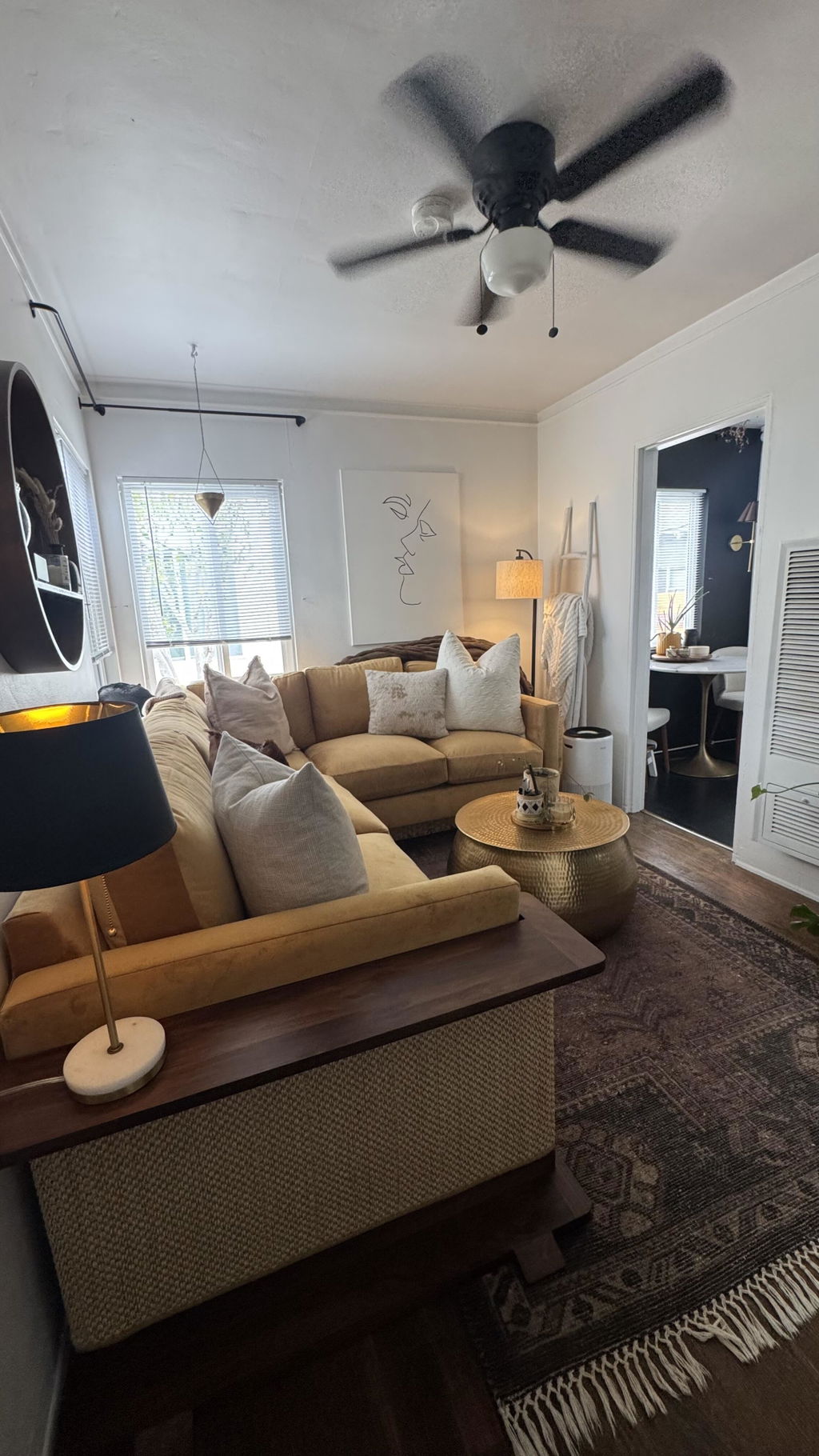
Minimalist homes feel calm for a reason, usually because of their clean lines, clear surfaces, and furniture that feels like it actually belongs in the room. Then you add a cat, and suddenly there’s a scratching post in the corner, a toy basket under the table, and a blanket permanently draped over the sofa arm.
Fortunately, you don’t have to choose between a peaceful aesthetic and a satisfied cat. You just need these 7 genius ways to hide cat clutter without hiding your cat’s needs.
1- Replace Bulky Scratching Posts with Furniture That Blends In
Most cat owners try to hide cat clutter by tucking scratching posts behind doors or in empty corners. The result? Your cat ignores them and returns to the sofa.
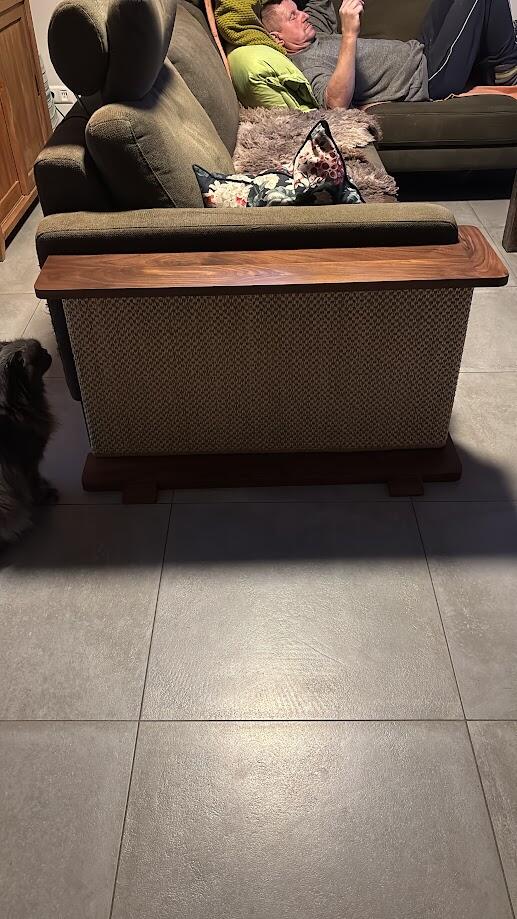
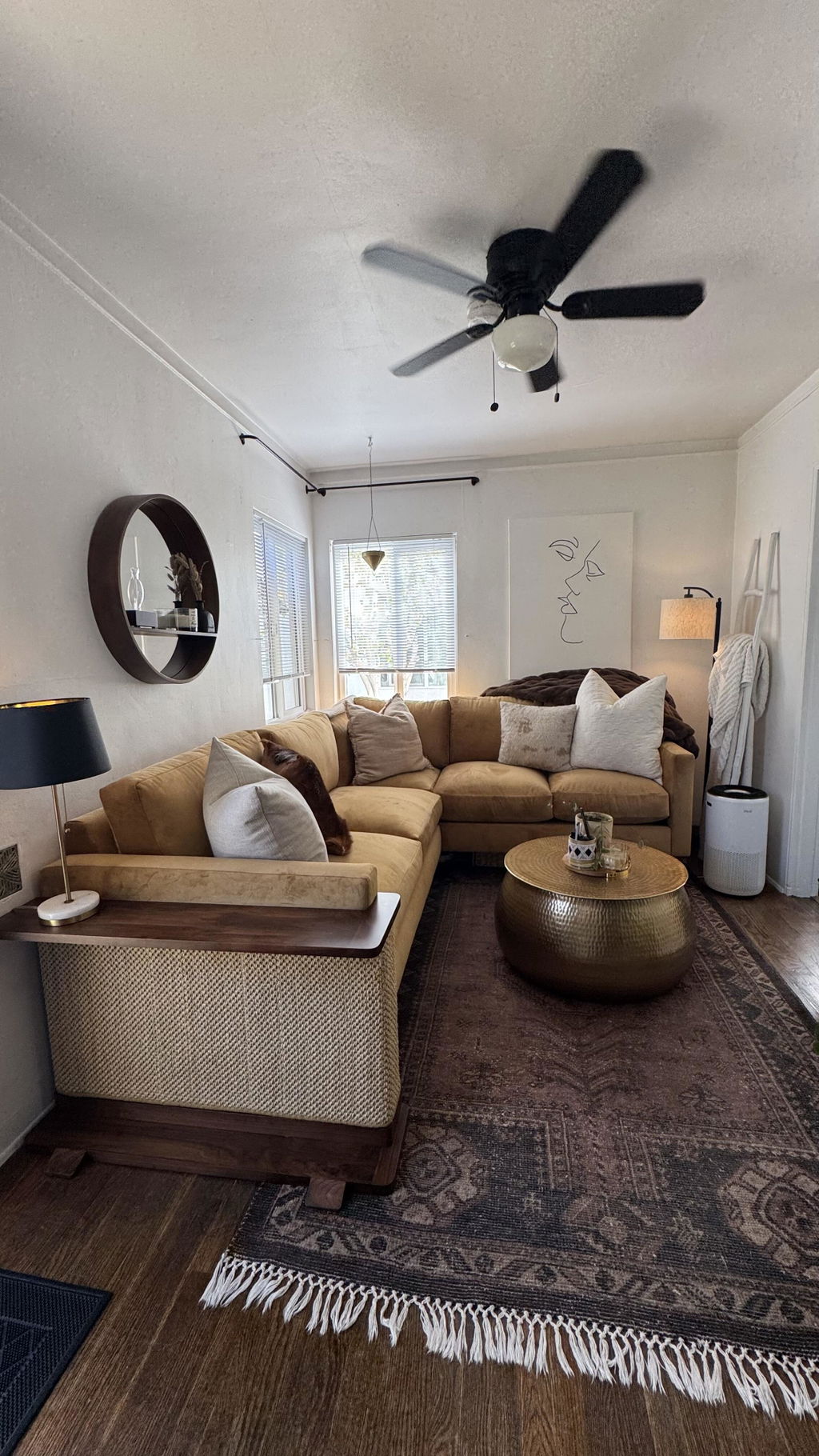
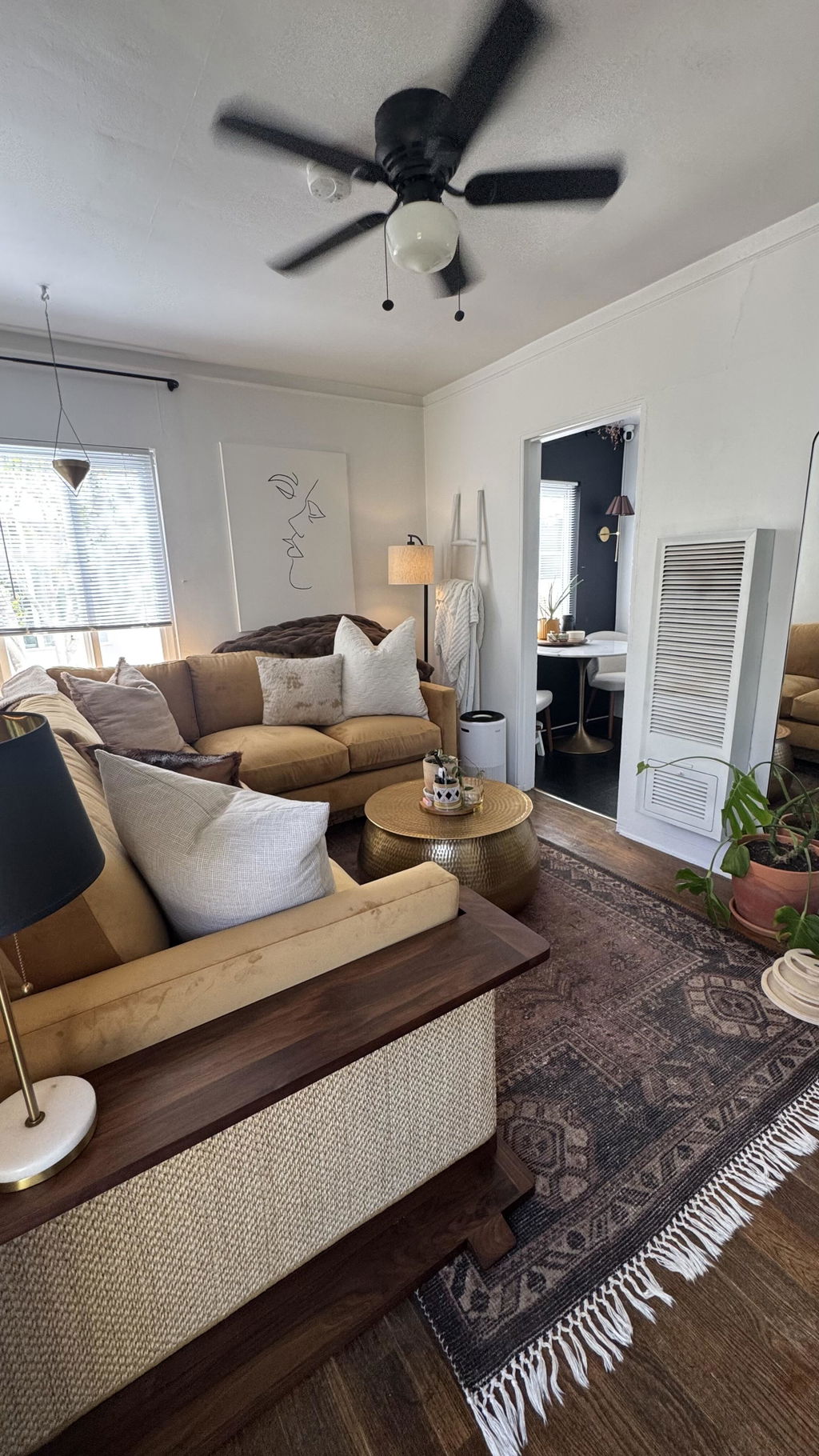
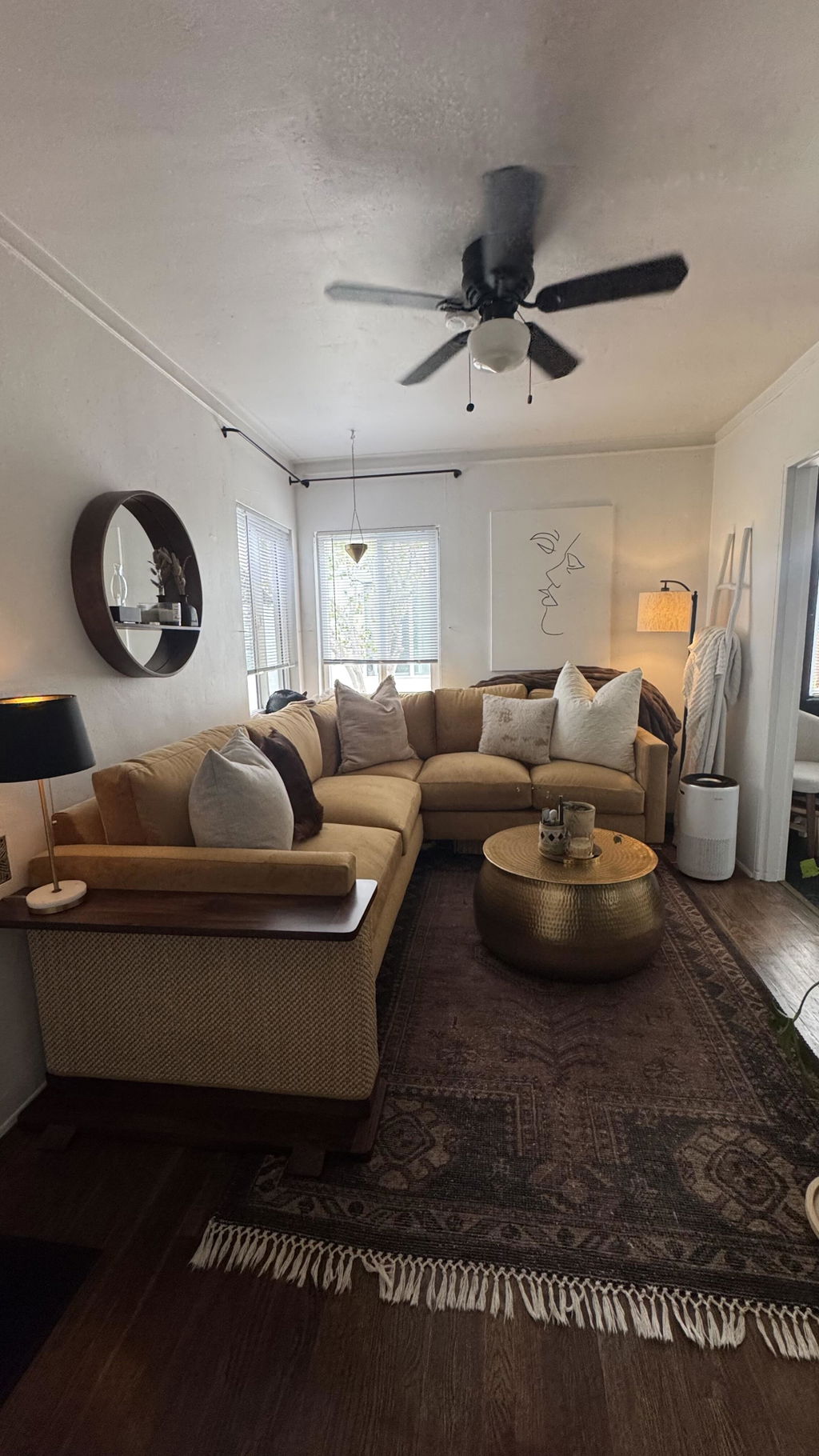
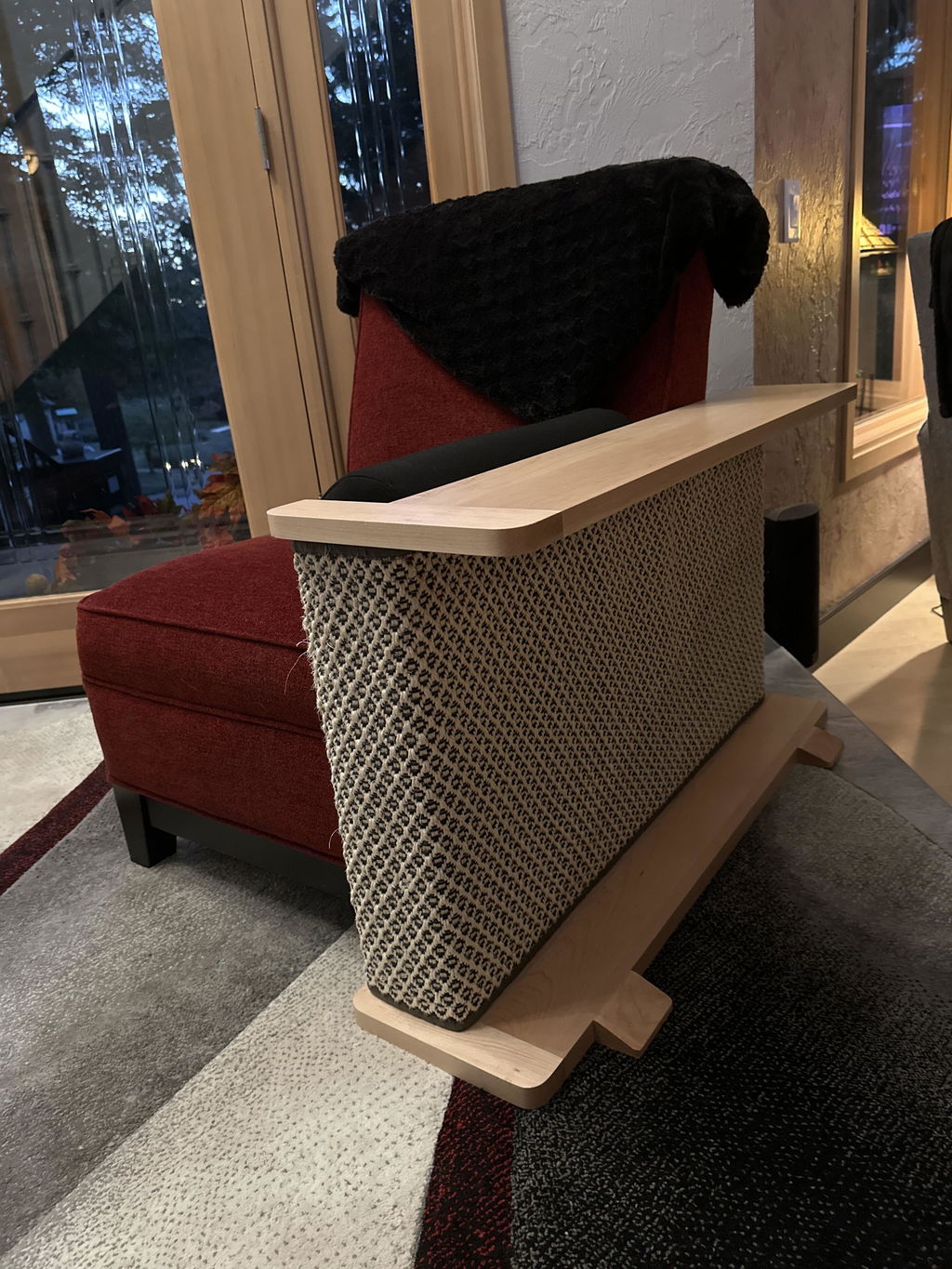
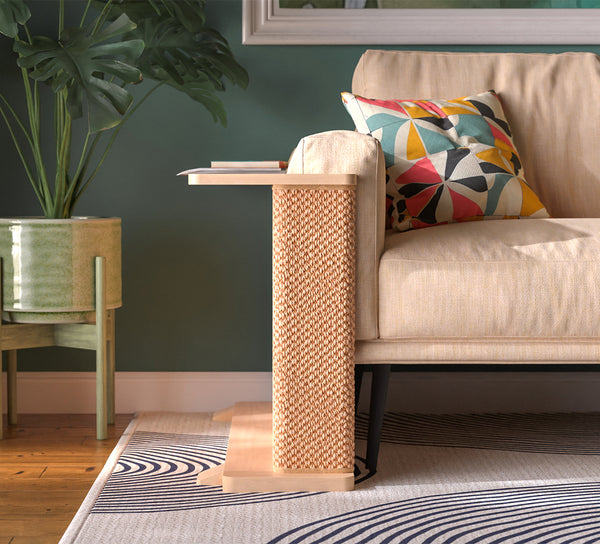
A better approach is to replace obvious pet gear with pieces that already look like part of your living room. For example, Cat-e-Corner wraps around your sofa arm while doubling as a modern side table. Instead of adding another object to the room, it integrates into the exact spot many cats already prefer to scratch.
Cat-e-Corner protects furniture while keeping the space visually clean, which is the real goal when you want to hide cat clutter without compromise.
Learn more about the Cat-e-Corner
2- Use Closed Storage for Toys (Not Open Baskets)
Instead of using open baskets that still look like clutter, try choosing cabinets, benches with hidden compartments, or minimalist storage cubes with doors for a much cleaner look.
When cat toys are out of sight, your space immediately feels calmer. Rotate toys weekly so only a few are out at a time, and remember that fewer visible items mean less visual noise in your home.
3- Choose Neutral or Natural Materials to Hide Cat Clutter
While bright carpeted cat trees often scream “pet furniture”, natural wood, sisal, and neutral fabrics blend into minimalist interiors much more easily.
This is one reason hardwood-based scratch solutions work better in modern homes. Cat-e-Corner, for instance, is made from solid hardwood (Maple or Black Walnut) with thick, natural sisal mats. It feels like furniture first, pet solution second.
When materials match your decor, you don’t need to hide cat clutter as aggressively.
4- Use Vertical Cat Shelves in Small Spaces
Wall-mounted cat shelves are one of the smartest ways to hide cat clutter without sacrificing floor space. Instead of bulky cat towers, vertical systems turn empty walls into clean, functional design.
4 reasons vertical cat shelves work in minimalist homes:
- They replace large floor cat trees with slim wall-mounted alternatives
- They free up visible floor space, reducing visual clutter.
- They blend into existing shelving layouts when aligned properly
- They create structured climbing paths without overwhelming the room
For the best visual result, keep spacing consistent and lines straight. When installed with intention, vertical cat furniture looks architectural rather than accidental.
5- Hide Litter Boxes in Furniture Enclosures
An exposed litter box often prevents a home from feeling truly minimal, so you should choose enclosed cabinets that disguise these areas as sideboards or benches instead. As long as you maintain proper ventilation, this simple change will dramatically reduce visible cat clutter in your living space.
6- Protect Problem Areas Instead of Covering Everything
Since throwing blankets over your furniture often looks messy, the Cat-e-Corner offers a more refined solution by targeting only the high-scratch zones. This minimalist cat product was created specifically to solve the problem of scratched sofa arms during home renovations by offering a custom corner table that successfully redirects scratching while keeping your room's design intact.
7- Match Scratching Surfaces to Your Cat’s Preference
Sometimes clutter builds up because one scratcher doesn’t work, so you add another… and another.
Cat-e-Corner stands out here because its sisal scratching mats are removable and replaceable, with five different material roughness levels, including a softer variation for kittens and senior cats. This allows you to adjust the surface itself instead of buying multiple posts to find the right fit, which reduces trial and error and prevents abandoned scratchers from cluttering your home.


Final Thoughts
Rather than fighting against your cat's instincts, the key to a minimalist home is integrating their needs through smarter design. Your space will feel much calmer once scratching zones are handled intentionally and toys disappear into storage.
You don't necessarily need more cat products to achieve this, but rather better design choices that work for both your home and your cat so that clutter disappears naturally.