Have you ever bought a cat scratcher that your cat completely ignored? It looks great online. The reviews are solid. You bring it home, set it up… and your cat walks right past it, heading straight for the couch.
That moment is frustrating, but it’s also revealing.
Most scratching problems are less about choosing the wrong product and more about not knowing your cat’s specific scratching style yet. While some cats like to stretch high and pull down hard, others prefer scratching at lower angles, just as some love rough resistance while others avoid it completely.
Before you spend money on another cat scratcher, there’s something smarter to do first. A simple observation test, completely free, can tell you exactly what your cat is looking for.
Step 1 | Observe the angle:
Start by watching how your cat scratches right now to see if they stretch fully upward on the side of the couch, scratch lower areas without standing tall, or target flat surfaces like rugs. Observing these specific habits helps you identify their preferred scratching angle so you can choose the right replacement.
The 3 most common cat scratching styles:
- Vertical scratchers: full stretch upward, strong downward pull
- Angled scratchers: moderate stretch, leaning posture
-
Horizontal scratchers: flat scratching with minimal lift
The angle matters more than the brand. If your cat scratches vertically on furniture, a flat cardboard pad will likely fail, even if it’s popular.
Step 2 | Test texture using what you already have:
You don’t need new materials to test texture preference.
Top 4 scratching textures that cats prefer to use:
- Fabric upholstery
- Carpet
- Bare wood
-
Woven rugs
Cats are highly sensitive to resistance and grip, so while some prefer a softer pull that frays easily, others look for strong resistance and long-lasting durability.
If your cat repeatedly prefers the resistance of fabric upholstery or woven rugs, then natural sisal is the best texture to choose. If they attack rough carpet edges aggressively, a coarse surface will likely work better because matching that specific feel prevents them from rejecting the new scratching post.
Step 3 | Watch timing patterns:
Scratching patterns are rarely random and usually become clear once you start watching your cat’s routine. Whether they are stretching after a nap, releasing energy after play, or marking territory when you come home, each scratch serves a specific purpose.
5 most common times cats scratch:
-
Right after naps → Place the cat scratcher near sleeping areas.
-
After play sessions → Position it close to the main play zone.
-
When you enter the house → Install it near entryways (possible territorial marking).
-
During stressful moments → Create a scratch zone in a quiet, safe area.
- Near windows → Place a scratcher beside viewing spots (visual stimulation trigger).
Step 4 | Evaluate stability:
Observing how forceful your cat is during your $0 test can explain why so many scratching posts fail to work.
Do they:
- Pull with full body weight?
- Lean heavily into the surface?
- Shift their hips side to side?
A powerful scratcher needs an extremely stable post because any lightweight version that wobbles will be abandoned almost immediately. Cats need to trust that a surface is secure, so if the post moves or shakes, they won't want to use it.
From Scratch Test Results to the Right Solution
Once you complete the $0 Scratch Test, it becomes clear that most cats already have a favorite scratching spot, which is very often the sofa corner. This simple insight changes your buying decision completely because you now know exactly what your cat is looking for.
Instead of asking, “Which cat scratcher should I try next?” the better question becomes, “How can I redirect scratching exactly where it already happens?”
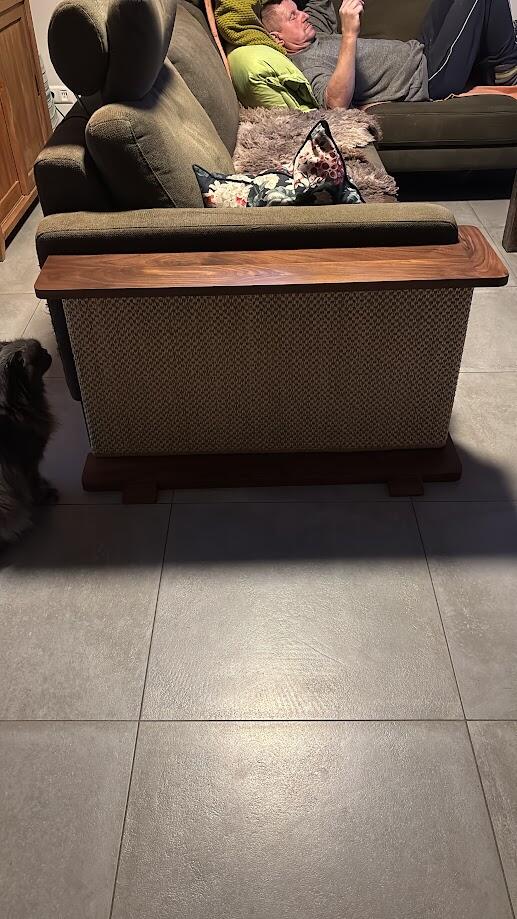
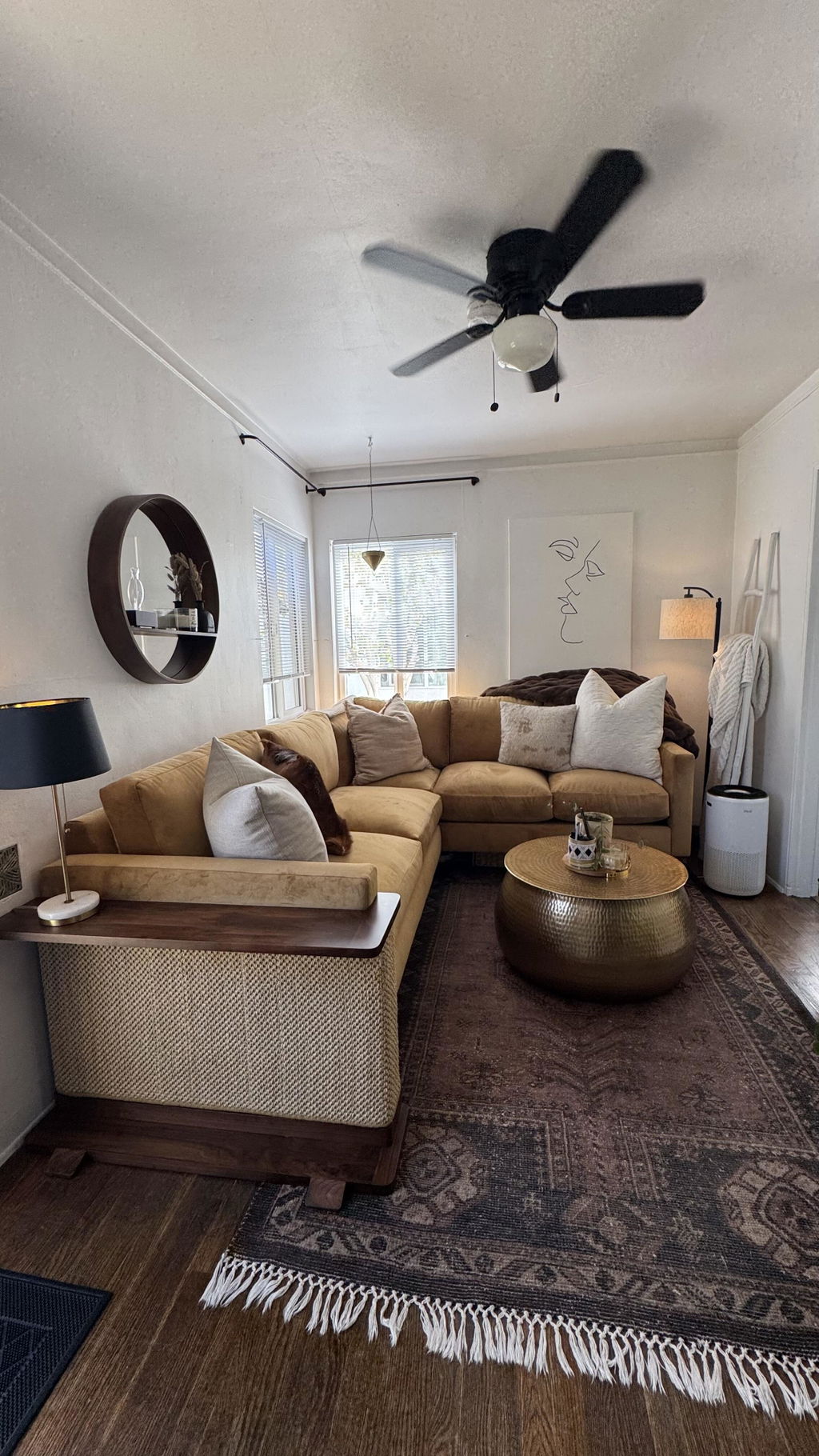
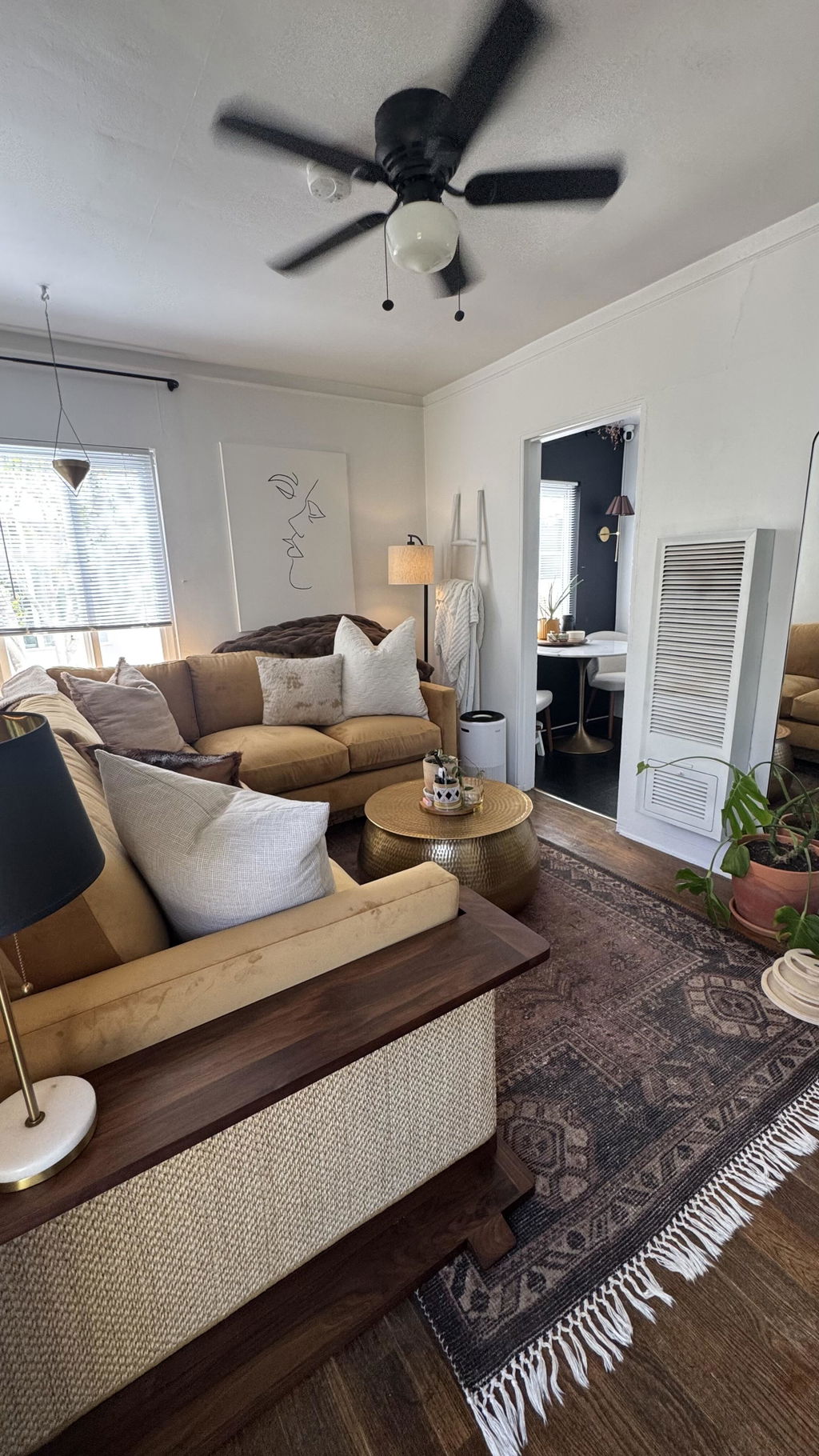
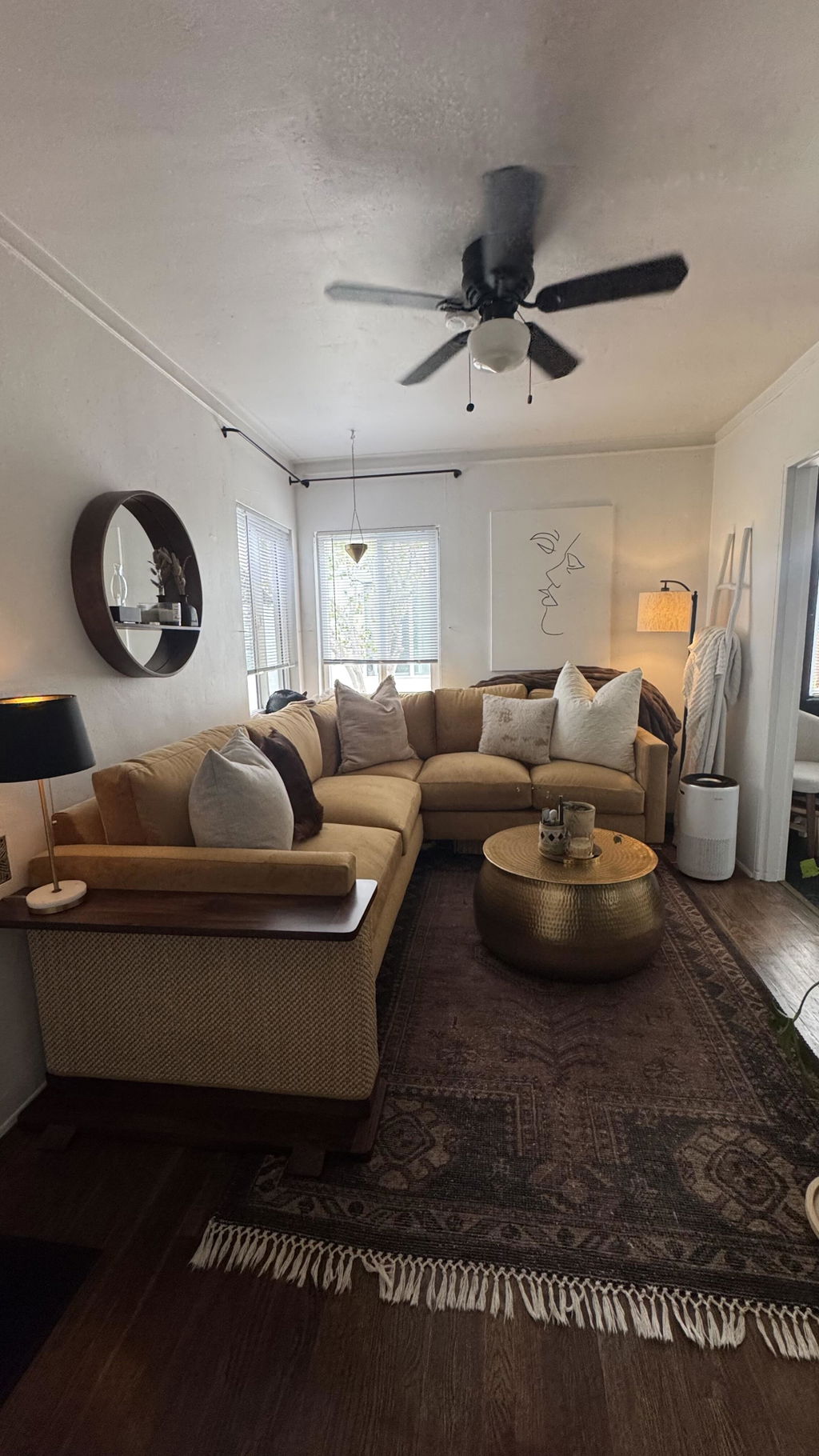
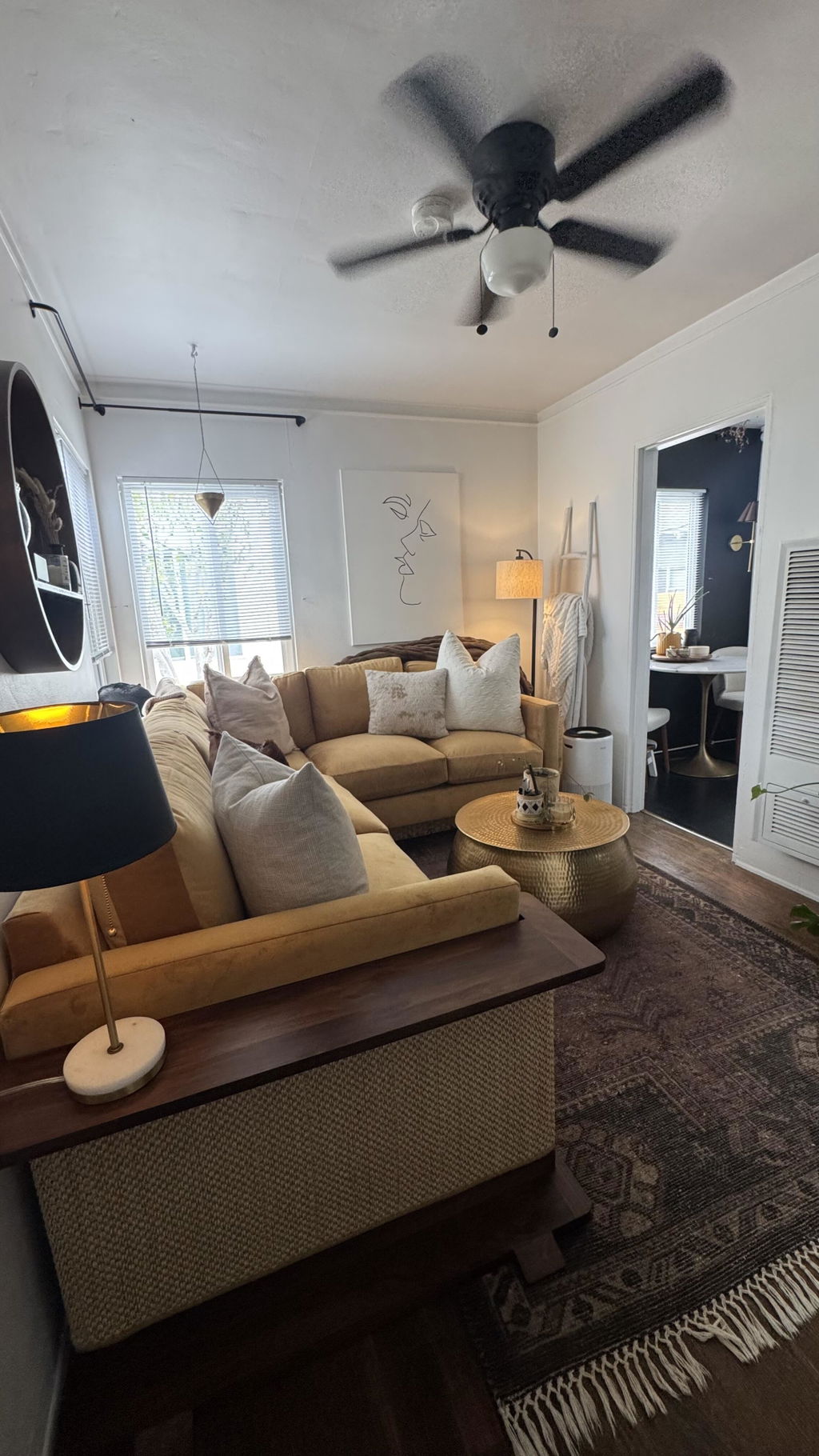
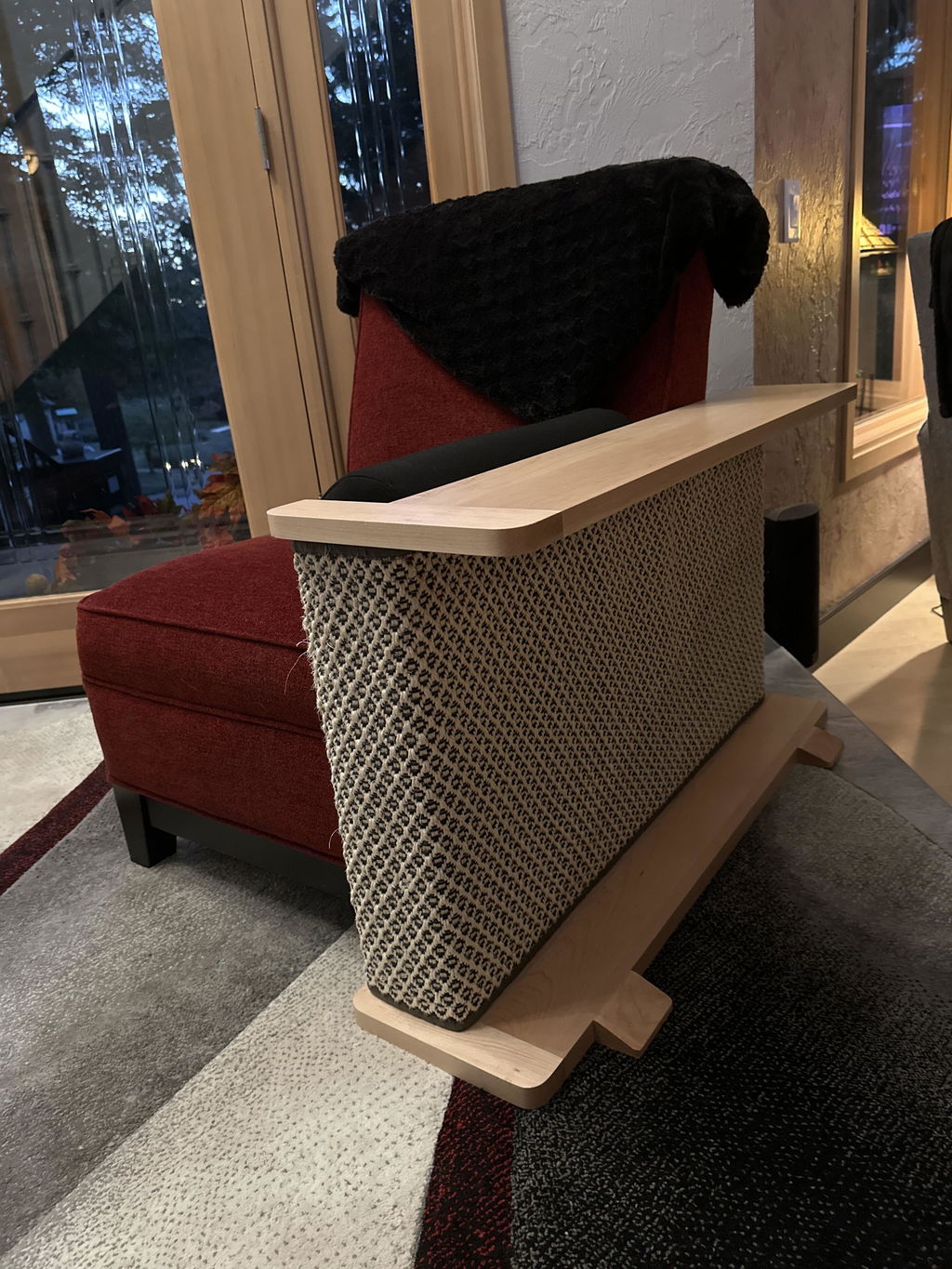
Cat-e-Corner was designed around that principle. Rather than adding another tower across the room and hoping your cat uses it, it installs directly onto the sofa corner, the same spot many cats instinctively choose. It transforms an existing problem area into a stable, intentional scratch zone.
Because this method follows your cat’s natural behavior rather than fighting it, the transition feels completely seamless with no need to start retraining from scratch. Instead of guessing what might work, you are simply redirecting them to a location they already prefer.
That is why running the $0 Scratch Test first matters. When you understand your cat’s angle preference, texture preference, and timing pattern, you can choose a solution that aligns with those instincts, instead of working against them.
Learn More about the Cat-e-Corner