Every year in the United States, Daylight Saving Time begins on the second Sunday in March. The clocks move forward one hour, and suddenly the evenings feel brighter.
While we’re mostly focused on losing an hour of sleep, the time change means something else entirely for our indoor cats. They do not understand clocks, but they do understand routine, light, and feeding times. When those shift, behavior often shifts too.
Let’s look at why that happens, and what you can do about it.
Why Does Daylight Saving Time Disrupt Indoor Cats?
4 things cats rely on most for a daily routine:
- Light cycles
- Feeding schedules
- Play routines
-
Sleep patterns
When Daylight Saving Time begins, your schedule changes overnight. But your cat’s internal rhythm stays the same.
This mismatch can cause:
- Early morning meowing
- Restlessness at night
- Increased scratching
- More attention-seeking behavior
The Impact of Longer Daylight in March
Daylight Saving Time happens at the same time spring light naturally increases. So your cat experiences two changes at once:
- Clocks shift forward
-
Spring light grows stronger
Indoor cats respond strongly to daylight. More light often means:
- Higher activity levels
- More window watching
- Increased territorial behavior
-
Extra bursts of play
If your cat watches birds or outdoor movement, longer evenings may stimulate them more. More stimulation often equals more scratching.
Why Scratching Can Increase After the Time Change
Scratching is one of the best ways for cats to let out stress, you might see them doing it more often whenever things feel a bit unpredictable. In those moments, they scratch to:
- Self-soothe
- Reclaim territory
- Release extra energy
Daylight Savings & Feeding Time Confusion
One of the biggest triggers is food timing! If you normally feed at 7:00 AM, your cat’s body still feels like it is 6:00 AM after the clock moves forward.
So what happens?
- They wake you earlier
- They act restlessly
- They vocalize more
- They scratch near the bedroom door
This usually lasts 3–7 days while their internal rhythm adjusts.
4 Tips to Help Your Cat Adjust to Daylight Savings
Rather than a sudden jump in schedule, try helping your cat ease into the new time bit by bit.
1- Shift Gradually:
A few days before Daylight Saving Time begins, adjust feeding and playtime by 10–15 minutes daily.
2- Increase Evening Play:
With brighter evenings, adding a few sessions of structured play is the best way to release extra energy, making for a calmer and less stressful time for your cat.
Try:
- Wand toys
- Short chase sessions
- Controlled climbing time
3- Reinforce Scratch Zones:
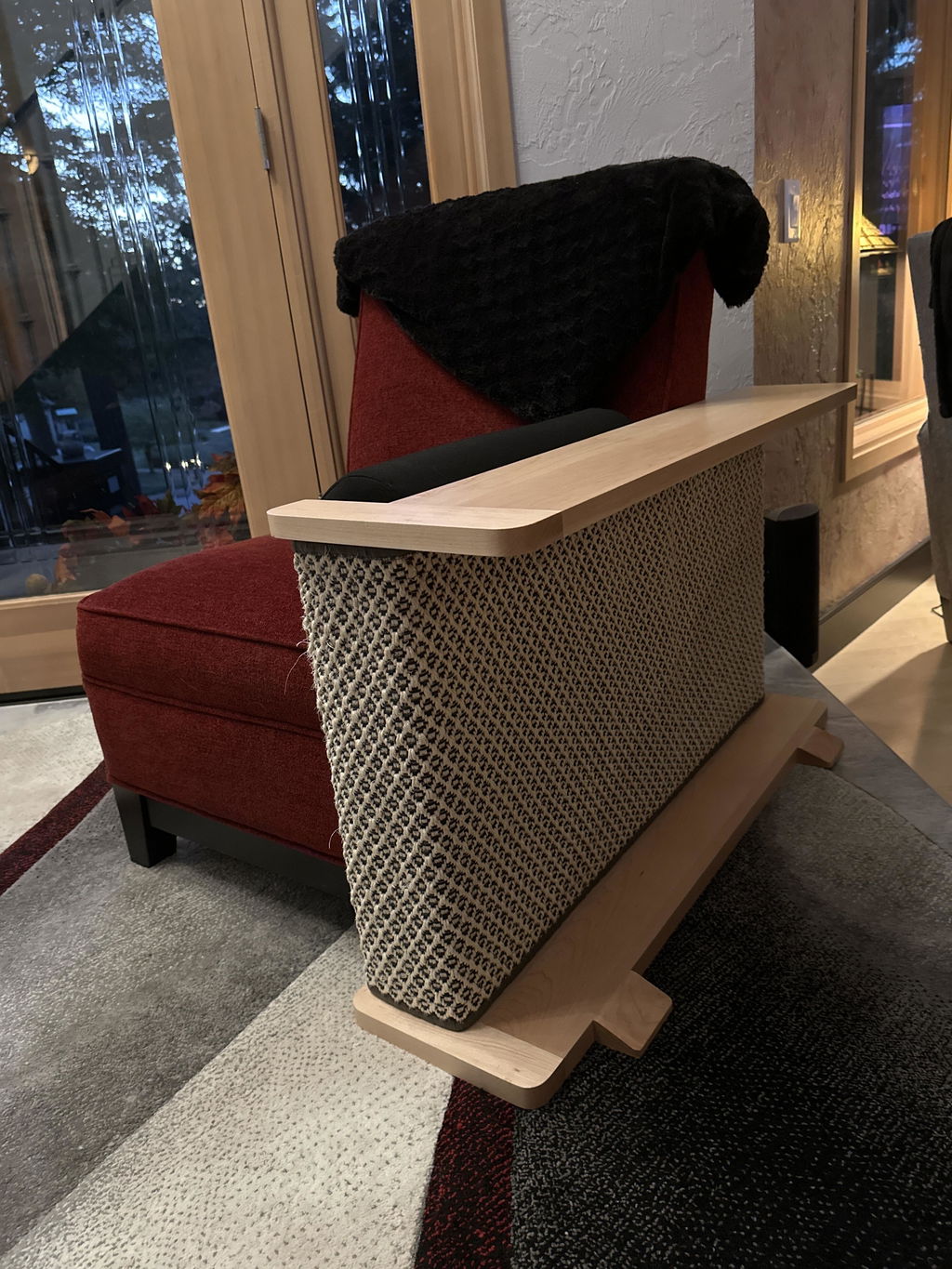
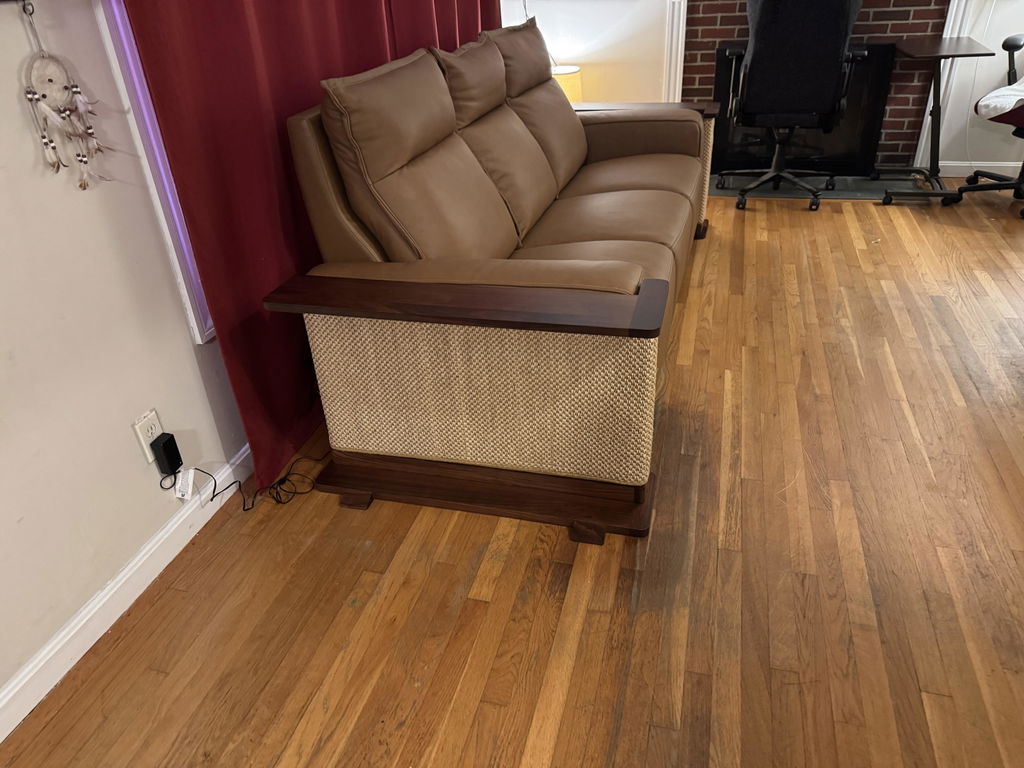
When your cat is feeling extra active, the best way to guide that energy is to have Cat-e-Corner ready in their favorite spots, such as:
- Sofas
- Sleeping areas
- Near windows
-
Previously damaged furniture
4- Protect High-Risk Minimalist Surfaces:
March is often the peak time for cats to feel a bit out of sync, so starting early with a few simple fixes is much easier than fixing a scratched sofa. You might try adding some extra protection to:
- Sofa arms
- Sharp corners
- Light wood legs
What Is Normal vs. Concerning?
Normal signs of adjustment that usually pass within a week:
- Early waking
- Mild restlessness
- Increased stretching and scratching
- Extra clinginess
4 Concerning signs:
- Aggression
- Refusing food
- Hiding excessively
-
Ongoing anxiety beyond two weeks
In those cases, consult a veterinarian as soon as possible.
Why Indoor Cats React More Than Outdoor Cats
Outdoor cats naturally follow the rising and setting sun, but indoor cats depend on our human schedules. Since their entire world changes when your alarm goes off at a different time, it’s no surprise that indoor cats often show stronger reactions to the Daylight Saving Time.
Final Thoughts
While losing an hour of sleep might just feel like a minor annoyance to us, it’s a much bigger shift for our indoor cats. Since the time change impacts everything from their feeding cues to the natural light in the room, it’s normal for them to feel a little out of sync for a few days.
When you prioritize smart placement for their scratching surfaces, you protect your home’s clean lines while helping your cat feel much more secure.
If you found this helpful, there’s plenty more to see! We’ve covered dozens of cat care topics designed for modern homes. Take a look at our other guides and join our newsletter community to never miss a new tip.